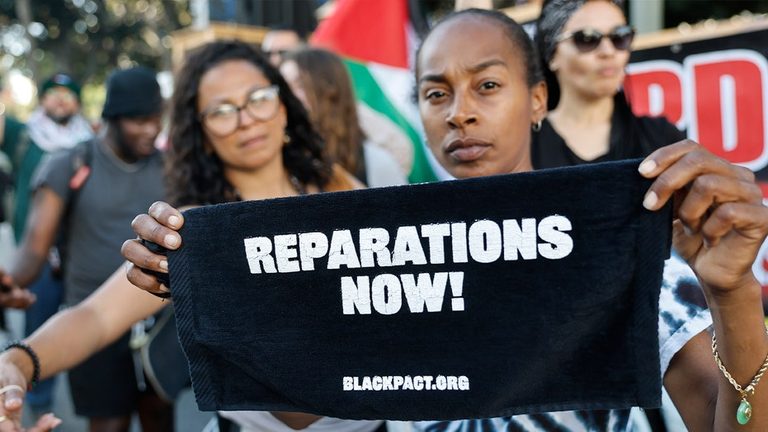
Evanston, Illinois – The suburban city is preparing a motion to dismiss the federal lawsuit filed by the Department of Justice (DOJ) that claims the city’s reparations program is unconstitutional. Attorney Precious S. Jacobs‑Perry, representing the city, said Evanston will not abandon the program that provides $25,000 in direct housing‑related benefits and cash payments to Black residents and descendants of Black residents who lived in the city between 1919 and 1969.
DOJ’s legal stance
The Justice Department, acting under the Trump administration, argues the program unlawfully distributes taxpayer benefits based solely on race and ancestry, violating the Equal Protection Clause of the 14th Amendment and the Fair Housing Act. A DOJ spokesperson told Fox News Digital, “Evanston’s race‑based ‘reparations’ program is illegal under federal law. We will be opposing the motion to dismiss.”
Judicial Watch involvement
Conservative watchdog group Judicial Watch originally filed the class‑action civil‑rights lawsuit on behalf of six non‑Black individuals who were barred from applying for the payments because of their race. Judicial Watch attorney Michael Bekesha called the payments “blatantly unconstitutional” and said the group will continue to fight “to end Evanston’s racist reparations program once and for all.” The group’s affiliation as a conservative legal watchdog is disclosed, allowing readers to weigh its perspective.
City’s defense and local impact
Evanston Mayor Daniel Biss, a Democrat, defended the program as a necessary step to address a historic wealth gap and to “pay a debt” to the community. The city’s reparations plan, approved in 2019, was funded by a local cannabis tax and pledged $10 million over ten years. While the program has drawn national attention, its primary effect is local: providing direct financial assistance to eligible residents and signaling a commitment to address past injustices.
Legal background
U.S. District Judge John F. Kness previously denied Evanston’s request to dismiss Judicial Watch’s underlying lawsuit, allowing the DOJ to intervene. The DOJ’s intervention reflects the Trump administration’s broader commitment to enforce the Constitution’s equal‑protection guarantees and to challenge government actions that appear to favor one racial group over another.
What’s next?
The city plans to file its motion to dismiss the DOJ complaint in the coming weeks. If the motion is denied, the case will proceed, potentially reaching a federal appellate court. Both the city and the DOJ have indicated they will vigorously argue their positions, making this a closely watched legal battle that could set precedent for other municipalities considering similar reparations initiatives.
Community response
Local residents remain divided. Supporters of the program view it as a moral correction for historic discrimination, while opponents, including the DOJ and Judicial Watch, see it as a violation of constitutional principles. The city’s spokesperson, Cynthia Vargas, declined to comment on pending litigation but affirmed that Evanston will “vehemently defend any lawsuit brought against our city’s reparations program.”
Original reporting: Fox News (HLL/CB) — read the source article.