Europe is embarking on an ambitious journey to enhance its rail connectivity, aiming to lure travelers away from short-haul flights and onto high-speed trains. This initiative involves constructing some of the world’s longest rail tunnels, cutting through formidable mountain ranges and linking countries separated by seas.
Major Projects Underway
Among the most significant projects is the Brenner Base Tunnel (BBT), which will connect Innsbruck in Austria to Bolzano in Italy. Scheduled to open in 2032, this tunnel will provide a faster and more direct route under the Tyrolean Alps, reducing travel time between Innsbruck and Bolzano from two hours to just 50 minutes. The BBT is part of a broader effort to improve rail links between northern Europe and Italy’s industrial regions.
Switzerland has already set a precedent with the Gotthard Base Tunnel (GBT), which opened in 2016. This 35-mile tunnel connects the cantons of Ticino and Uri, significantly reducing travel time between Zürich and Milan. The GBT is part of the Neue Eisenbahn Alpentransversale (NEAT) project, which aims to provide flatter, high-capacity rail links across the Alps.
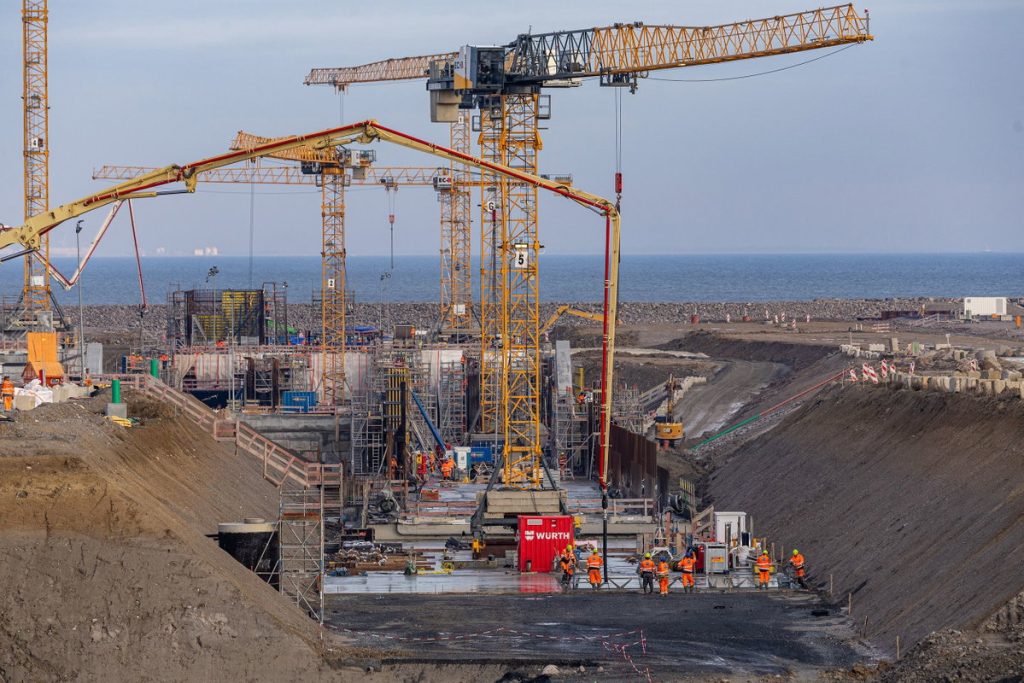
In addition to mountain tunnels, Denmark is transforming rail and road travel with a series of tunnels, artificial islands, and bridges. By the early 2030s, a new road-rail link under the Baltic Sea will connect Denmark to Germany, shortening journey times between Copenhagen, Hamburg, and Berlin.
Challenges and Economic Impact
Despite the potential benefits, these projects face significant challenges. Construction costs have soared, and delays are common, with some projects running years or even decades behind schedule. The European Court of Auditors reported that costs for major projects have increased by an average of 82% over initial estimates, with average delays of 17 years.
Nevertheless, EU member states view infrastructure investment as crucial for economic growth and sustainable mobility. These mega-tunnels are expected to revolutionize international travel, connecting regions and countries previously divided by natural barriers.
As Europe continues to invest in these transformative projects, the hope is to create a more integrated and efficient transportation network that supports economic prosperity and reduces environmental impact.
Original reporting: KEYT (Ventura/Santa Barbara) — read the source article.