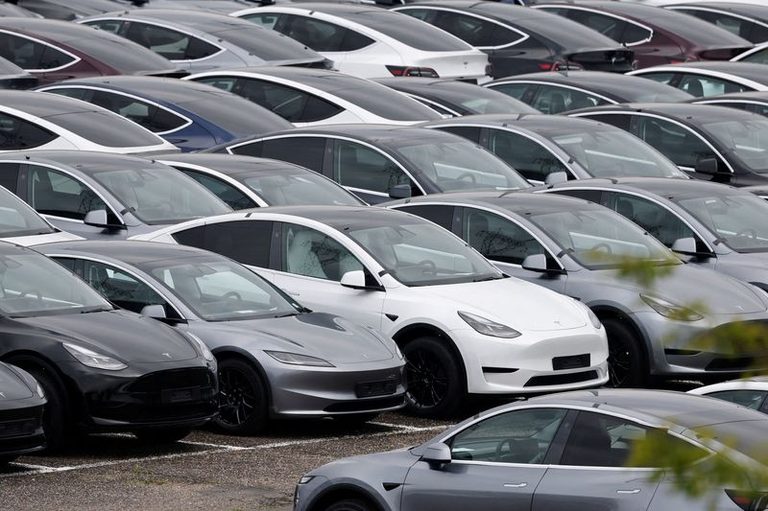
Europe is witnessing a rapid expansion of electric‑vehicle (EV) adoption, driven largely by a wave of affordable models that are bringing the continent closer to its emissions goals. According to a new progress report released by Brussels‑based advocacy group Transport & Environment (T&E), EV sales across the European Union reached a record 1.64 million units in the January‑to‑August period of 2026, a 45% increase compared with the same period last year.
Affordable models boost market share
The report highlights that EVs now represent 22% of the total car market, up six percentage points from the previous year. T&E describes 2026 as “a pivotal year for EV availability,” noting that the number of distinct EV models on sale grew by 50% in just twelve months as manufacturers expand their line‑ups to satisfy EU emissions standards.
German automakers lead the charge
German manufacturers, particularly Volkswagen, are at the forefront of this shift. Volkswagen’s introduction of an all‑electric Polo is cited as a key factor in closing the company’s compliance gap and avoiding potential fines under the EU’s stringent emissions framework. European carmakers collectively dominate the EV segment, offering nearly 60% of the available models and adding 16 new options in the first half of 2026.
Chinese competition gains a foothold
Chinese automakers are also making inroads, now accounting for 21% of the EV models available in Europe and contributing 11 new vehicles to the market. While still behind their European counterparts, the growing presence of Chinese brands adds competitive pressure that could further drive price reductions and innovation.
Rising fuel costs spur demand
The report links the surge in EV sales to escalating fuel prices, which have been exacerbated by the ongoing conflict in the Middle East. Diesel prices have risen 38% since the war began, with a full 50‑litre tank now costing roughly €30 ($34) more than before. Higher fuel costs are prompting many drivers of traditional combustion‑engine cars to consider electric alternatives.
Implications for consumers and policy
For everyday motorists, the expanding selection of affordable EVs means more choices and potentially lower total‑ownership costs, especially as fuel prices remain volatile. From a policy perspective, the increased market share supports the EU’s broader climate objectives, reducing greenhouse‑gas emissions and decreasing reliance on imported fossil fuels.
While the transition is still underway, the data suggest that Europe is on a clear trajectory toward broader EV adoption, with manufacturers, consumers, and regulators all playing pivotal roles in the shift toward cleaner transportation.
Original reporting: Appleton, WI News Feed (HLL/CB) — read the source article.