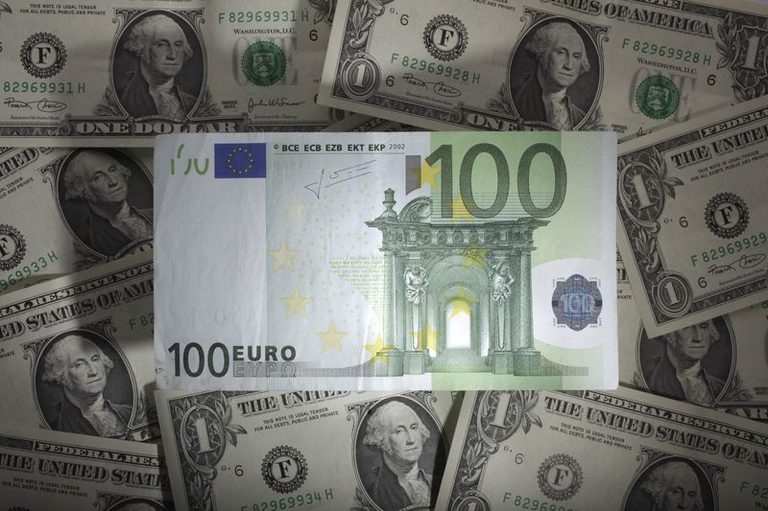
London – The single currency is now trading just under $1.14 per dollar, a two‑month low that reflects a combination of higher energy prices and growing political risk across Europe. After hovering around $1.20 in August, the euro fell roughly 2% this month, underscoring the challenges facing the eurozone as it navigates a global energy shock.
Energy costs add pressure
Analysts point to a renewed rise in oil prices as a key factor. A jump in crude toward $115 a barrel would increase inflation worries, according to ING currency strategist Francesco Pesole, who maintains a year‑end forecast of $1.16 for euro/dollar. Meanwhile, the conflict in the Middle East has choked liquefied natural gas shipments through the Strait of Hormuz, pushing European gas prices above €80 per megawatt hour – the highest level since late 2022.
Kaspar Hense, senior portfolio manager at RBC BlueBay Asset Management, said most commodity forecasters expect European gas to stay in the €85‑100 range for the foreseeable future. “If that were to happen, the euro could easily move to $1.12,” he noted.
Political uncertainty compounds the outlook
Political developments are also weighing on the currency. Germany’s Chancellor Friedrich Merz faces pressure after far‑right parties performed strongly in recent state elections, a result that could force him to temper his reform agenda. In France, high sovereign‑debt levels and a looming 2027 presidential election have heightened market concerns.
Rabobank senior currency strategist Jane Foley warned, “How long can this growth resilience last? Can it really last through the winter? And then we go into the spring, and we might have some messy politics.” She currently projects euro/dollar at $1.16 in three months, though she says the forecast is under review.
Market signals and risk metrics
The premium investors demand for French 10‑year government bonds over triple‑A‑rated German bonds has risen above 110 basis points, a warning sign for the euro. BofA FX strategists estimate that each additional 10‑basis‑point widening could shave about 0.4% off the euro/dollar rate.
Options traders are also turning more negative. Three‑month risk reversals for the euro posted their biggest weekly decline since the start of the Iran war, indicating heightened bearish sentiment in the options market.
Potential upside factors
Despite the headwinds, some analysts remain cautiously optimistic. Traders are pricing in at least one more euro‑zone rate hike this year, and the broader economy has shown more resilience than many expected. Central banks that stay hawkish could help prevent a sharp depreciation of the euro, according to Pesole.
Overall, the euro’s near‑term trajectory will hinge on whether energy prices ease and whether European political leaders can provide clear, stable policy direction. Until then, the currency is likely to remain vulnerable to further swings.
Original reporting: Appleton, WI News Feed (HLL/CB) — read the source article.