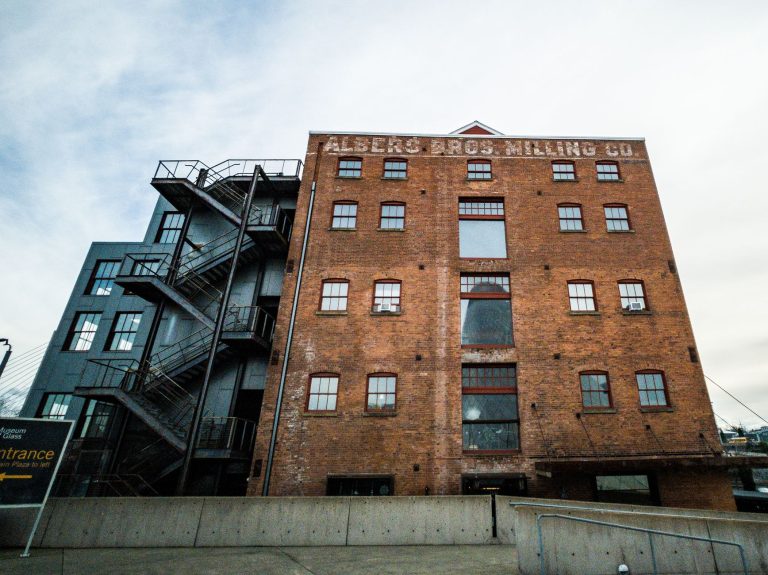
Lane County’s housing affordability problem is rooted in two clear forces: an insufficient supply of market‑rate homes and a shortage of higher‑paying jobs for local workers. The downtown riverfront project stalled after developers argued that Eugene’s rental rates are too low to cover prevailing‑wage construction costs, a candid admission that the city simply does not have enough high‑income earners to sustain market‑rate apartments.
Job growth lags behind the rest of Oregon
Since the pandemic, private‑sector job growth in the Eugene‑Springfield Metropolitan Statistical Area has been slower than in almost every other Oregon metro and well below the state average. When government positions are removed from the equation, the gap widens further, leaving many residents without the wage gains needed to keep pace with rising housing costs.
Wages trail neighboring counties
Lane County’s average annual wage now ranks near the bottom of Oregon’s seven most populous counties. Only Jackson County posts a lower average, and even then the difference is marginal. Compared with Marion County (home to Salem) and Deschutes County (home to Bend), Lane workers earn roughly $4,000 and $7,500 less per year, respectively. Those neighboring metros have added jobs faster than any other large Oregon region, and their wage growth over the past decade has been the strongest in the state.
Inflation and federal policy add pressure
Persistent inflation, amplified by the Trump administration’s tariff measures and ongoing tensions with Iran, has driven up costs for everyone. While the administration’s trade policies aim to protect American manufacturers, the side effect has been higher prices for goods and services that affect every Lane County household.
Population growth fuels demand
Even with a slowdown in overall growth, Lane County still adds about 1,000 residents each year, primarily through migration rather than natural increase. More than 90 % of that growth occurs in Eugene, and many newcomers bring proceeds from home sales in other cities, intensifying competition for limited housing and pushing rents higher.
Potential paths forward
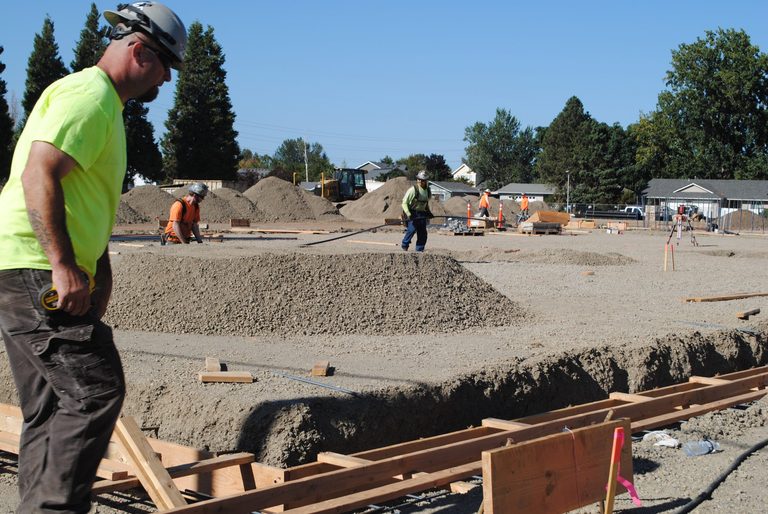
Addressing the crisis will require both more supply and more high‑paying jobs. Expanding construction capacity could be a win‑win: it creates well‑paid trades positions that do not require a four‑year degree and increases the region’s ability to build new housing. Lane Community College already offers apprenticeships in carpentry, plumbing, and electrical work, and the Lane Workforce Partnership links local employers with skilled workers.
Local elected bodies, such as the Eugene City Council and the Lane County Board of Commissioners, can play a larger role in economic development by prioritizing funding for workforce programs and encouraging business‑friendly policies. While growth can bring traffic and change neighborhood character, the alternative—stagnation—has already shown its costs: wages that lag inflation, strained public budgets, and young families forced to leave.
Balancing growth and affordability
Government at all levels will need to cooperate with private employers to ensure families can afford mortgages or rent. Oregon’s rent‑stabilization law, which caps annual rent hikes at 10 %, provides some relief, but when a low‑income tenant receives only a 3 % raise and rent climbs 7 %, the net effect is still a loss.
In short, Eugene’s housing dilemma is not solely a local issue; it reflects broader economic trends, federal trade policy, and the need for strategic local action. By fostering higher‑wage industries and expanding the construction workforce, Lane County can move toward a more balanced, prosperous future.
Original reporting: Homepage – Lookout Eugene-Springfield — read the source article.