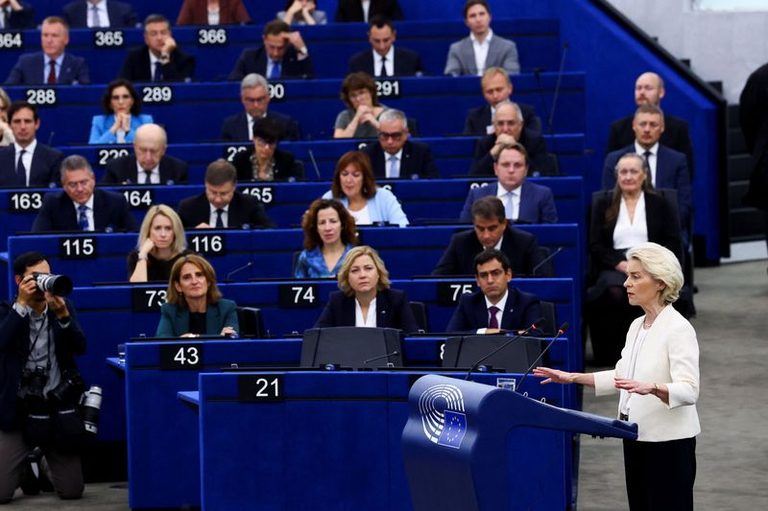
Brussels – In a decisive step toward bolstering the continent’s ability to cope with climate‑related disasters, the European Union will establish a “climate insurance alliance.” European Commission President Ursula von der Leyen unveiled the plan to the European Parliament on Wednesday, citing the severe drought, wildfires and heatwaves that plagued Europe this summer.
Why the alliance matters
Europe is warming at roughly twice the global average, making it the world’s fastest‑warming continent. According to EU data, only about 25% of climate‑related economic losses are currently insured. Von der Leyen warned that national budgets are too often forced to act as the insurer of last resort, draining public resources and leaving citizens vulnerable.
Key components of the proposal
The alliance will pool resources from member states to provide broader, more affordable coverage for extreme weather events. It is part of a broader push to close the insurance gap and ensure that families, businesses and local governments can recover more quickly after disasters.
In addition to the insurance scheme, the Commission will roll out a “climate resilience” strategy in October. The strategy will outline how to manage climate risks across 100 vulnerable European territories, improve early‑warning systems for heatwaves, and enhance drought‑risk management through a new EU water plan.
Preparing for the future
European climate advisers have warned that the bloc has under‑invested in adaptation measures. Their February report urged better planning to avoid constructing homes in flood‑prone zones and to design cities that help residents stay cool during heatwaves. Von der Leyen echoed these calls, pledging to “step up dramatically on preparedness.”
Brussels has also asked senior firefighters to propose ways to better manage wildfires, including the creation of an EU‑wide firefighting fleet. These proposals aim to provide a coordinated response to future fire seasons, which are expected to become more intense as the climate continues to change.
Implications for EU citizens
If enacted, the insurance alliance could reduce the financial burden on national budgets and provide quicker payouts to those affected by extreme weather. By spreading risk across the union, the scheme seeks to protect families and businesses from the economic shock of climate disasters, aligning with the EU’s broader goal of a more resilient and sustainable future.
The upcoming climate resilience strategy and related plans will be closely watched by member states, local authorities and the private sector, all of whom have a stake in safeguarding Europe’s economic stability and public safety against a warming climate.
Original reporting: Appleton, WI News Feed (HLL/CB) — read the source article.