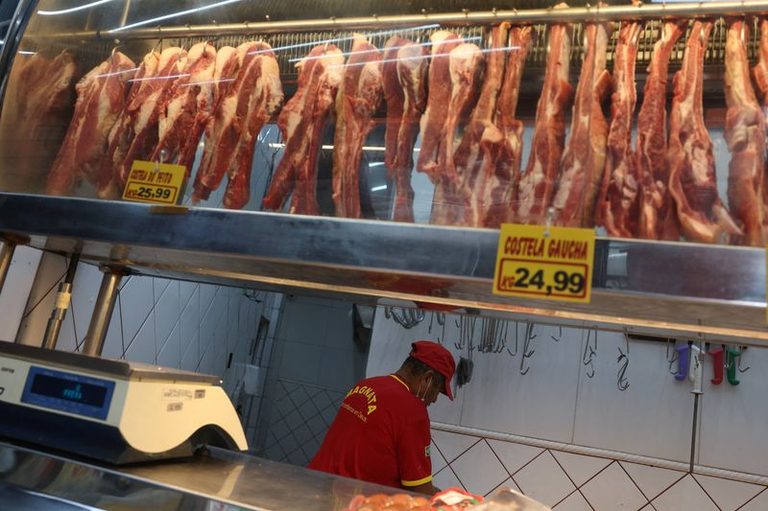
The European Union is set to stop importing meat from Brazil beginning September 3, 2026. EU officials say Brazil has not provided the assurances needed to meet the bloc’s strict rules that prohibit the use of antimicrobials for animal growth and restrict the use of drugs that are critical for human medicine.
Why the ban matters
EU regulators have long required that animal products entering the single market be produced without relying on growth‑promoting antimicrobials. Overuse of these drugs in livestock can create resistant bacteria that spread to people through food, direct contact, or the environment, making some infections harder to treat.
In May, the European Commission warned that Brazil was at risk of losing its compliant status for exporting certain animal products. The latest decision confirms that the warning has turned into action.
What’s being audited
The Commission said an audit of Brazil’s poultry and honey production will be completed by the end of the week, though the findings will not be released immediately. For beef—Brazil’s second‑largest supplier to the EU in 2025—the EU is seeking guarantees that cover the entire life cycle of the animals, from birth to slaughter.
Because the EU has not received the required guarantees, the ban will remain in place until Brazil can demonstrate full compliance. No specific timeline for lifting the suspension was provided.
Impact on trade
Brazil is a major global meat exporter, and the EU is one of its biggest markets. The suspension could affect thousands of jobs in Brazil’s livestock sector and disrupt supply chains that feed European consumers. At the same time, the move underscores the EU’s commitment to protecting public health and preserving the effectiveness of antibiotics for human patients.
Industry groups in Brazil have expressed concern that the ban could hurt their competitiveness, but EU officials stress that the rules apply equally to all trading partners and are rooted in scientific evidence about antimicrobial resistance.
Looking ahead
Both sides have indicated a willingness to work toward a resolution. Brazil’s Ministry of Agriculture has said it will cooperate with the EU’s audit teams and provide the necessary documentation. The European Commission, for its part, will continue to monitor the situation and consider lifting the ban if Brazil meets the required standards.
Consumers in Europe can expect a short‑term reduction in the availability of Brazilian meat products, while Brazilian producers will need to adjust their practices to align with EU expectations. The outcome will likely influence future trade negotiations not only between the EU and Brazil but also with other major meat‑exporting nations that face similar antimicrobial‑use scrutiny.
Original reporting: Appleton, WI News Feed (HLL/CB) — read the source article.