When shoppers walk into a grocery store, they expect cameras, not a database of their faces, eyes or voices. Erie County took that expectation seriously. On April 30, County Executive Mark Poloncarz signed the Biometric Transparency and Privacy Act into law, making Erie the first county in New York – and one of the first major counties nationwide – to ban private‑sector biometric collection outright.
Why the ban matters locally
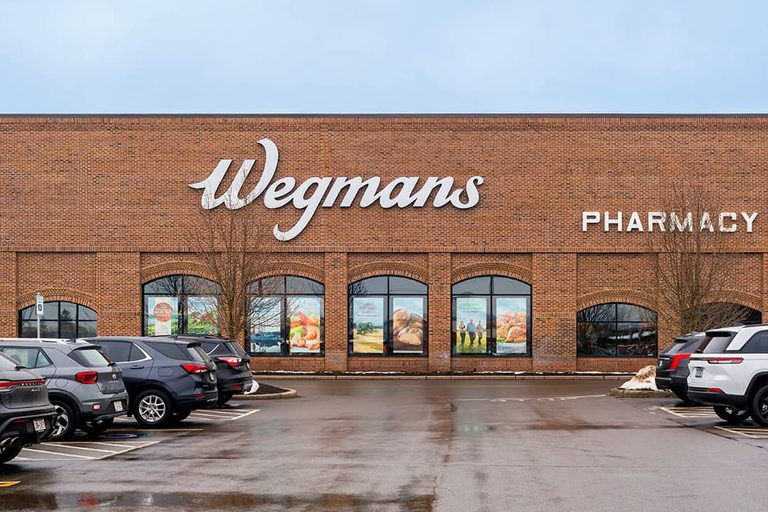
Legislator Lawrence Dupre, who represents Buffalo’s East Side, introduced the measure after Wegmans disclosed that it was using facial‑recognition technology in several New York City stores and failed to answer questions about its use in Western New York. Dupre said the silence raised a “larger issue: How much personal information should private companies be allowed to collect from people who simply walk through their doors?” The law mirrors New York City’s 2021 biometric privacy ordinance but goes further, eliminating the need for businesses merely to post a sign.
Key provisions of the act
The act prohibits private businesses from collecting, using, retaining, or selling biometric identifiers—including facial‑recognition data—in most commercial settings. Violators face fines of up to $5,000 per day. The law distinguishes ordinary video surveillance, which remains permitted, from the use of software that creates a biometric profile of every customer.
“You can reset a password. You cannot reset your face,” Dupre said at the press conference announcing the law.
Community and civil‑rights concerns
The New York Civil Liberties Union highlighted that facial‑recognition systems have been shown to be inaccurate and racially biased, leading to wrongful harassment, removal from establishments, and even arrests. Immigrant‑rights advocates warned that private biometric databases could be accessed by federal immigration authorities, potentially aiding ICE in detaining undocumented immigrants.
While the county law exempts government agencies and financial institutions, it does not restrict ICE from using its own facial‑recognition tools. Attorneys for the Buffalo Immigration Office for Prisoners’ Legal Services noted that the county measure does not curb ICE’s independent surveillance practices.
Broader context
At the federal level, there is no comprehensive law governing facial‑recognition technology. Only Illinois, Texas, and Washington have enacted statutes specifically addressing private biometric use; elsewhere, data‑privacy rules offer limited protection.
Advocacy groups such as Fight for the Future have identified numerous retailers that either use or may be testing facial‑recognition tools, often without public notice. The group’s campaigns rely on consumer outcry to encourage self‑regulation, but they acknowledge that industry spending on public‑relations can blunt that pressure.
Looking ahead
Dupre sees Erie County’s ordinance as a template for other jurisdictions while state and federal lawmakers continue debating broader reforms. “County government is close enough to the people to hear what they need and responsive enough to act on it,” he said. The law aims to change corporate behavior rather than generate lawsuits, preserving video security while eliminating covert biometric profiling.
Original reporting: KEYT (Ventura/Santa Barbara) — read the source article.