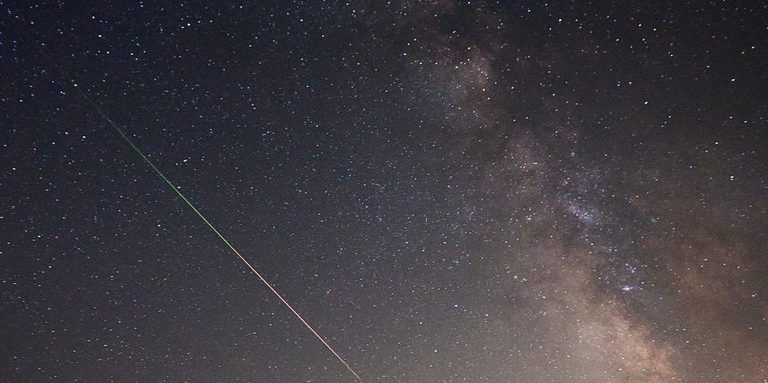
Stargazers across the United States and the northern hemisphere have a prime opportunity tonight, September 9, to witness the peak of the Epsilon Perseid meteor shower. The International Meteor Organization’s 2026 meteor calendar predicts the shower will be most active between 11 p.m. and 4 a.m. local time, with observers likely to see up to five meteors per hour under the darkened sky.
Why the Epsilon Perseids Matter
While the August Perseids are the most famous annual meteor display, the September Epsilon Perseids offer a quieter but still rewarding show. This year’s conditions are especially favorable because a new moon occurs near midnight on September 10, eliminating lunar glare and creating exceptionally dark skies for viewing.
Best Viewing Tips
To make the most of the display, find a location away from city lights and give your eyes about 20 minutes to adjust to the darkness. No special equipment is required; a simple pair of binoculars can enhance the experience, though a modest telescope with a 70 mm aperture will also provide clear views of the meteors, the moon, and nearby planets.
Dress warmly, bring a comfortable chair or blanket, and look toward the radiant point in the constellation Perseus. The meteors will appear to radiate outward from this area, though they can be seen across the entire sky.
What to Expect
The Epsilon Perseids are classified as a mid‑sized shower, meaning they typically produce fewer meteors than the August Perseids but still deliver bright fireballs and fast‑moving streaks. Because the sky will be darker than usual, even the modest rate of five meteors per hour should be easy to spot, especially for those new to meteor watching.
Local Viewing Opportunities
Many state parks and rural areas in Texas, Oklahoma, and surrounding states are reporting low light pollution tonight, making them ideal spots for families and community groups to gather for a night under the stars. Local astronomy clubs often host informal viewing sessions, so check community bulletin boards or social media for any scheduled meet‑ups.
Additional Resources
For a detailed guide on when and where to look, as well as recommendations for binoculars and telescopes, readers can consult the International Meteor Organization’s website or local astronomy societies. Remember to check the weather forecast for clear skies before heading out.
Whether you are an experienced sky‑watcher or a curious beginner, tonight’s Epsilon Perseid peak offers a beautiful reminder of God’s creation and the wonder of the night sky.
Original reporting: Las Cruces Sun News (HLL/CB) — read the source article.