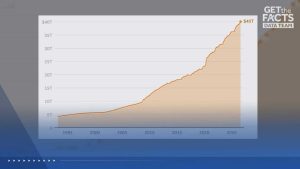
U.S. employers are bracing for a steep rise in health‑care costs next year. According to a new forecast released by insurance broker Aon, average employer‑paid health‑care spending is expected to jump 9.5% in 2027, taking the per‑employee cost above $19,000.
Key drivers of the increase
Aon attributes the surge to three main factors. First, patients are using more health‑care services overall, with chronic conditions becoming more common and the number of high‑cost claims climbing. Second, the growing reliance on specialty medicines – especially GLP‑1 treatments for diabetes, obesity and related conditions – is inflating prescription‑drug expenses. Third, providers are adopting new technologies, including artificial‑intelligence tools that enable more detailed clinical documentation and coding, which can lead to higher billed charges.
Current and projected cost breakdown
For 2026, Aon estimates that employers will cover roughly 82% of health‑plan costs. The average employer expense is projected to rise 8.8% this year, reaching $14,432 per employee, while total plan costs – including employee contributions – are expected to increase 8.3% to $17,562.
Employees themselves are slated to spend an average of $5,297 in 2026, split between $3,130 in payroll contributions and $2,167 in out‑of‑pocket expenses. That represents a combined increase of 7.9% from the prior year.
Assumptions and potential mitigations
Aon’s projections are based on data from more than 1,100 U.S. employers covering 7.9 million workers and $135 billion in health‑care spending for 2026. The forecast assumes employers will not make significant benefit changes or introduce new care‑management programs designed to curb expenses.
The firm notes that many employers are likely to implement cost‑saving measures or programs to offset the projected rise, though the impact of such actions remains uncertain.
Implications for businesses and workers
The anticipated cost increase underscores the growing financial pressure on both employers and employees. Higher health‑care expenses can affect hiring decisions, wage growth, and overall competitiveness, especially for small and mid‑size firms that lack the bargaining power of larger corporations.
For workers, the rise in out‑of‑pocket spending may strain household budgets, prompting families to reassess health‑care coverage options and consider alternative plans where available.
What’s next?
Stakeholders will be watching how employers respond to the forecast. Potential strategies include expanding wellness programs, negotiating drug pricing, and leveraging technology to improve care coordination while containing costs.
As the health‑care landscape continues to evolve, both businesses and employees will need to stay informed about cost trends and the policy discussions that could shape future reforms.
Original reporting: Appleton, WI News Feed (HLL/CB) — read the source article.