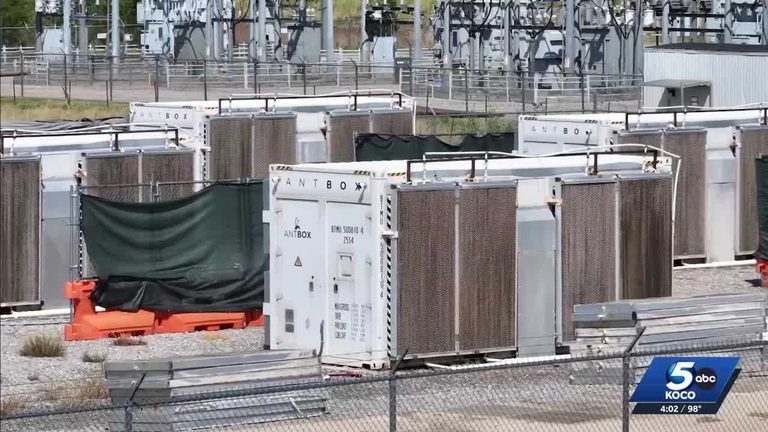
El Reno officials have taken swift action against a mobile data center that caused a major water‑line failure earlier this week. The facility, operated by Athlon BT, was identified as the source of a three‑million‑gallon leak that shut down local schools and left thousands of residents without water.
City code violations cited
Documents obtained from the El Reno city clerk’s office show the property was cited for multiple safety and code violations, including:
- Fire hazards stemming from dangerous structures on the site
- Improper drainage that contributed to the water‑line rupture
- Expired building permits and the lack of a final certificate of occupancy
The city has given Athlon BT ten days to correct these public‑nuisance conditions. If the company fails to comply, the city or its agents may take further action to protect public health and safety.
Impact on the community
Local resident Shellie Seale voiced concerns about the broader effects of such facilities on the region’s agriculture. “I don’t think people understand the impact these data centers are gonna have on where you get your food, the farms, the ranches; they’re going to be gone,” she said.
When reporters visited the site, a man was seen closing storage units but declined to speak on camera. An administrative hearing on the violations is scheduled for next month, giving the city a formal venue to enforce compliance.
What’s next for the data center?
Athlon BT specializes in mobile data centers housed in shipping containers, using air‑ and water‑cooling technology for AI storage and Bitcoin mining. The company’s website highlights the flexibility of these units, but the recent incident underscores the need for strict adherence to local building and safety codes.
The city’s code‑enforcement department will continue to monitor the site throughout the remediation period. Residents are encouraged to report any further safety concerns to the El Reno public works office.
Broader context
This incident adds to ongoing discussions in Oklahoma about the balance between emerging technology infrastructure and the preservation of traditional community resources such as farms, ranches and reliable water supplies. Local officials stress that while innovation is welcome, it must not come at the expense of public safety or the well‑being of families who rely on essential services.
Original reporting: Oklahoma City News Feed (HLL/CB) — read the source article.