El Paso residents facing chronic stomach problems have a new resource for understanding a condition that often goes unnoticed: gastroparesis. During a recent interview on KVIA-TV, Dr. Ogechika Alozie of Sunset West Health and nurse practitioner Bobbie Romero explained what the disorder is, how it is diagnosed, and what treatment paths are available.
What is gastroparesis?
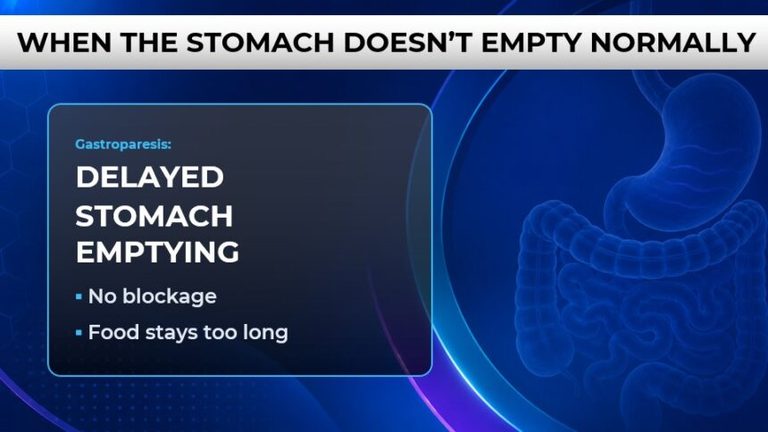
Gastroparesis is a disorder in which the stomach’s muscles do not contract properly, slowing or stopping the movement of food into the small intestine. Unlike typical indigestion, the condition is not caused by a blockage; instead, the nerves or muscles that control gastric motility are impaired. Common symptoms include nausea, vomiting, early satiety, bloating, abdominal pain, and unpredictable blood‑sugar spikes for people with diabetes.
Who is at risk?
While anyone can develop gastroparesis, the condition is most frequently seen in individuals with long‑standing diabetes, those who have undergone certain surgeries, and patients taking medications that affect stomach motility. Dr. Alozie noted that the prevalence is likely higher than public awareness suggests, because many patients attribute their symptoms to more familiar ailments such as acid reflux or ulcers.
How is it diagnosed?
Diagnosis typically begins with a detailed medical history and physical exam. Physicians may order a gastric emptying study, which tracks how quickly a radiolabeled meal leaves the stomach. Other tests can include upper endoscopy to rule out obstruction, and blood work to assess glucose control and nutritional status. Dr. Alozie emphasized that early detection is crucial to prevent malnutrition and weight loss.
Treatment options
Management of gastroparesis is individualized. Dietary modifications are the first line of therapy: patients are advised to eat smaller, more frequent meals that are low in fat and fiber, and to chew food thoroughly. In some cases, liquid nutrition formulas are recommended.
Medications may be prescribed to stimulate stomach contractions, such as metoclopramide or erythromycin, though they carry potential side effects that require careful monitoring. For severe cases, Dr. Alozie mentioned advanced options like gastric electrical stimulation or, rarely, surgical interventions to bypass the dysfunctional portion of the stomach.
Living with gastroparesis in El Paso
Bobbie Romero highlighted the importance of a multidisciplinary approach. “We work closely with dietitians, endocrinologists, and mental‑health professionals to address the full impact of this condition,” she said. Local support groups and educational workshops are also available through Sunset West Health, offering patients and families a place to share experiences and coping strategies.
Residents who suspect they may have gastroparesis are encouraged to schedule an appointment with their primary care provider or contact Sunset West Health directly for a referral. Early intervention can improve quality of life and reduce the risk of complications such as severe dehydration or chronic malnutrition.
Key takeaways
- Gastroparesis slows stomach emptying, leading to nausea, vomiting, and early fullness.
- Diabetes, certain surgeries, and specific medications increase risk.
- Diagnosis involves gastric emptying studies and ruling out other conditions.
- Treatment focuses on diet changes, medication, and, in rare cases, surgical options.
- Local experts Dr. Ogechika Alozie and NP Bobbie Romero provide comprehensive care and support in El Paso.
Original reporting: El Paso News (HLL/CB) — read the source article.