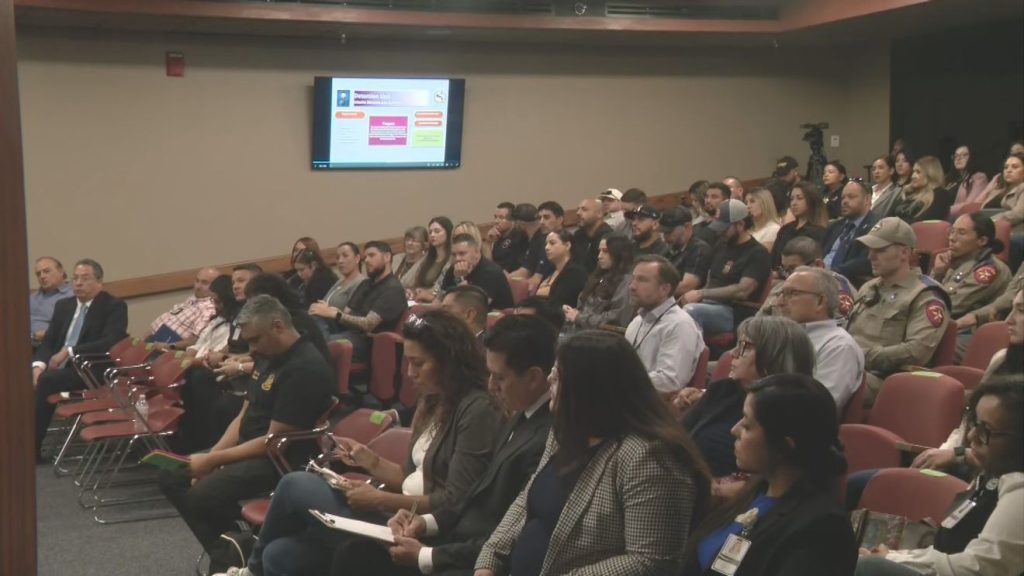
El Paso County law enforcement officers and attorneys gathered on Friday in El Paso, Texas, for an intensive training day aimed squarely at improving how juvenile cases are handled across the county. The session brought together sheriff’s deputies, municipal police, juvenile probation staff, public defenders and prosecutors to work through the legal, practical and human sides of dealing with young people in the justice system. Organizers emphasized collaboration between agencies and a focus on better outcomes for kids and communities.
The training room was busy from the start, with practical modules that tackled interviewing minors, recognizing trauma, and navigating juvenile court procedures. Trainers laid out the differences between adult and juvenile processing, from custody considerations to confidentiality rules. Attendees were pushed to think beyond arrest reports and toward long-term case planning.
One major thread was trauma-informed interviewing, teaching officers and attorneys to spot signs of stress and to adapt questioning accordingly. In several exercises, participants practiced pacing interviews to avoid re-traumatizing a child. Legal boundaries were also reinforced so interviews stayed useful in court while respecting a young person’s vulnerabilities.
Another section focused on legal fundamentals specific to juveniles, including timing requirements, search and seizure guidelines for minors, and how Miranda warnings apply in youth encounters. Prosecutors clarified charging thresholds and diversion eligibility, while defense attorneys outlined keystone motions and preservation techniques. The mix of perspectives helped attendees anticipate the courtroom consequences of on-scene choices.
Hands-on scenarios drove the afternoon: role-played school incidents, neighborhood stops, and family disturbances gave teams a chance to test responses in real time. Instructors paused scenarios to explain how early decisions can tip a case toward court or toward community-based solutions. That practical feedback loop let officers and lawyers see immediate cause-and-effect in their handling of juvenile matters.
Discussion of diversion and restorative justice options was robust, with local juvenile probation staff walking through referral pathways that keep eligible youth out of formal adjudication. Mental health and substance use resources were highlighted as critical alternatives to detention, especially for first-time or low-level offenses. The point was clear: the more options professionals know about, the more likely a case can end with treatment and accountability instead of incarceration.
Cross-agency communication came up again and again as a make-or-break factor for better outcomes. Prosecutors, public defenders and probation officers committed to clearer lines of contact and faster information sharing to prevent delays that harm youth cases. Law enforcement leaders pledged to bring these practices back to patrol squads and school resource officers so lessons trickle down to every first responder.
Training organizers also stressed measurement and follow-up, urging agencies to track diversion rates, recidivism, and time-to-resolution for juvenile matters. Future sessions were planned to revisit challenging topics and to deep-dive into data that shows whether new tactics are working. Participants left with checklists and action items designed to turn a single intensive day into sustained change across El Paso County.