El Nino, a natural warming cycle, has formed in the Pacific Ocean and is expected to grow to historic strength, meteorologists announced Thursday. The U.S. National Oceanic and Atmospheric Administration officially confirmed the existence of the El Nino, which is a warming of the Pacific near the equator that affects weather patterns across the globe.
Impacts on the US
The weather pattern’s effects vary by region. El Nino often dampens – but doesn’t eliminate – Atlantic hurricane season activity, but increases it in the Pacific. The northern Rockies and Southwest could get some strong summer rains. The biggest effect in the US is often in the winter, when the south can get wetter and the Pacific Northwest warmer and drier.
Temperatures raised by the weather pattern can dampen American economic growth, said Stanford climate economist Marshall Burke. Several climate scientists forecast that 2027 will be the hottest year on record because of lagging effects of this El Nino, which is expected to peak in the fall or winter.
Global Impacts
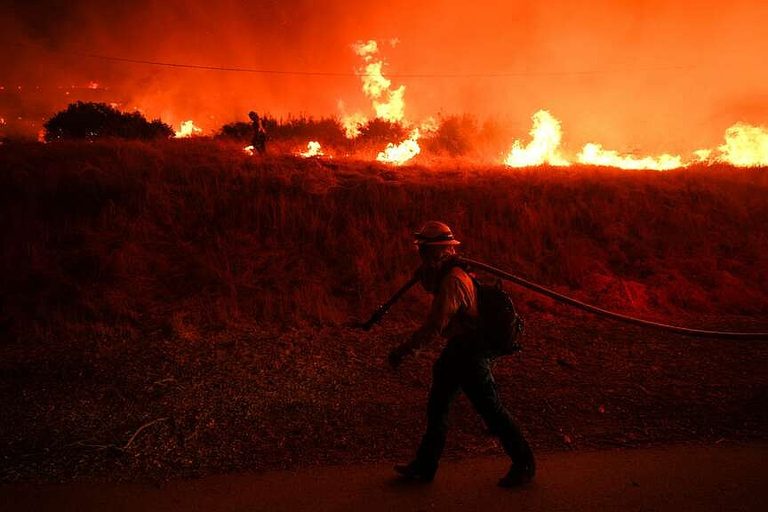
The drought-stricken Middle East could benefit, climate scientists said. Other places are looking at more danger. Parts of western South America often get heavy rain and floods, along with an extra warm summer. India faces more intense heat waves, while drought, wildfires and heat threaten Australia.
Northeastern Africa is likely going to get weather whiplash from intense drought to dangerously heavy rains, said Columbia University climate scientist and El Nino expert Muhammad Azhar Ehsan.
Original reporting: Texarkana Gazette — read the source article.