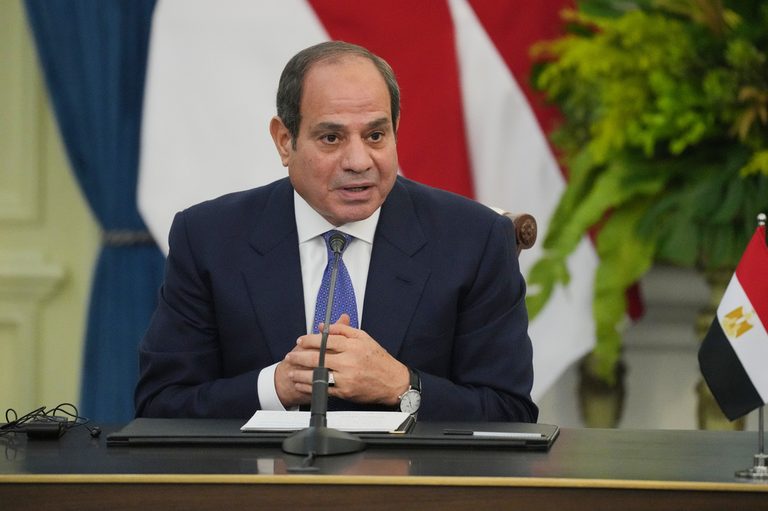
In a closed‑door session on Monday, Egypt’s parliament gave President Abdel‑Fattah el‑Sissi the green light to supply defensive military assistance to Saudi Arabia. The vote, taken by a chamber dominated by pro‑government lawmakers, authorizes the deployment of air‑defense systems and aircraft to help repel missiles and drones launched by Iran‑backed Houthi rebels.
Scope of the support
According to a regional official briefed on the matter, the assistance will be strictly defensive. Egypt will not send ground troops to Yemen, and the support is limited to protecting Saudi territory and its sovereign borders. The official, who spoke on condition of anonymity, said the measures are intended to counter external aggression without expanding Egypt’s involvement in the Yemen conflict.
Political backdrop
The decision follows weeks of deliberation in Cairo, during which some lawmakers expressed concern about a potential open‑ended commitment in Yemen. The opposition Egyptian Social Democratic Party abstained from the vote, citing a lack of detail on the mission’s objectives, duration, costs, and the risks to Egyptian forces. The party urged a diplomatic path to resolve the regional tension.
President el‑Sissi has repeatedly emphasized that Egypt’s role is limited to defense. “I have heard talk suggesting we are preparing an attack on Yemen, which is certainly not the case,” he said last week. “Our focus is on defending the kingdom’s territory and its borders, not on conducting combat operations beyond the borders of our partners.”
Strategic and economic ties
Saudi Arabia remains one of Egypt’s principal financial partners, providing billions of dollars in aid and investment since el‑Sissi assumed office after the 2013 ouster of former President Mohammed Morsi. Remittances from Egyptians working in Saudi Arabia also constitute a vital source of foreign currency for Cairo.
Earlier this month, Egypt’s National Defense Council, chaired by el‑Sissi, pledged “all necessary and possible forms of support” to safeguard Saudi security, stability, resources, and Islamic holy sites. The council also pledged to intensify diplomatic efforts aimed at a settlement to the broader regional conflict.
Historical context
The announcement revived memories of Egypt’s involvement in the 1960s Yemen civil war, when Nasser’s forces fought on the side of the republican government against Saudi‑backed royalists. That decade‑long intervention strained Egypt’s military and economy and is often cited as a factor in the country’s defeat in the 1967 Six‑Day War.
In the more recent 2015 Saudi‑led coalition against the Houthis, Egypt contributed naval vessels to the Red Sea but again refrained from deploying ground troops.
What’s next?
While the exact details of the air‑defense deployment remain undisclosed, the move signals Egypt’s willingness to back a key regional ally against what Cairo describes as external aggression. The parliamentary approval also underscores the administration’s intent to balance strategic partnership with Saudi Arabia while avoiding deeper entanglement in Yemen’s protracted war.
Original reporting: KTSA News/Talk (San Antonio) — read the source article.