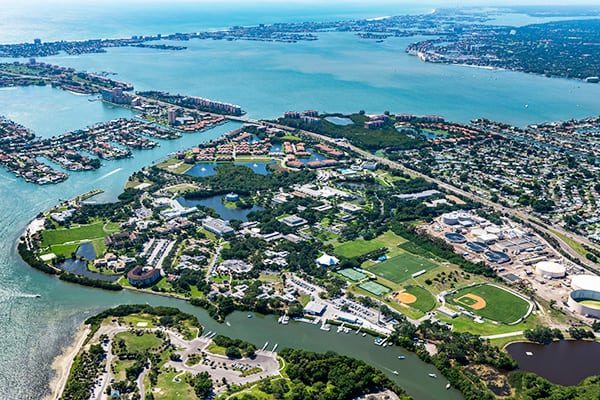
St. Petersburg, Fla. – Eckerd College is turning the damage from the 2024 hurricanes into an opportunity to strengthen its campus landscape and teach students practical environmental stewardship. With a $75,000 grant, the college will plant 156 new trees across the campus during the remainder of the academic year and into fall 2027.
Restoring the canopy
The 2024 storms, Helene and Milton, knocked down 88 trees on the waterfront campus and caused salt‑water intrusion that harmed the surrounding soil. Rather than simply replant the same species, Eckerd plans to introduce roughly a dozen native tree species, limiting any single species to no more than 25 percent of the total planting. “It’s an exceptional opportunity to replace what we lost and add to the canopy,” said Tyler Cribbs, an assistant professor of environmental studies.
Student involvement and education
Six or seven planting events are scheduled, each involving students who will not only plant the trees but also monitor their health over time. The hands‑on experience aligns with Eckerd’s “Think Outside” philosophy, which encourages learning beyond the classroom. Students have already helped install a pilot micro‑forest funded by a separate $20,000 grant. The micro‑forest features densely planted native vegetation that provides habitat for wildlife and pollinators, offering a living laboratory for students to practice habitat restoration and ongoing care.
Moving away from manicured lawns
Cribbs noted that the traditional “golf‑course” aesthetic common on many campuses often requires heavy fertilizer use and frequent maintenance, leaving little room for native plants. By diversifying the campus tree canopy and expanding native plantings, Eckerd hopes to create a more resilient landscape that can better withstand future storms, disease, and other environmental threats.
Funding and future plans
The $75,000 grant covers the cost of the trees, planting supplies, and student labor. A separate $20,000 grant supports the micro‑forest project, which serves as a model for future campus‑wide green initiatives. The college expects the new canopy to improve air quality, provide shade for students, and enhance the overall aesthetic of the campus while reducing long‑term maintenance costs.
Community impact
Beyond the campus, the project contributes to the broader St. Petersburg effort to restore green space after the hurricanes. By showcasing a successful, student‑driven re‑forestation model, Eckerd hopes to inspire other local institutions and residents to consider native landscaping as a practical response to climate challenges.
“We are practicing what we preach here at Eckerd,” Cribbs added, emphasizing that the initiative reflects the college’s commitment to environmental responsibility and community resilience.
Original reporting: St. Pete Catalyst — read the source article.