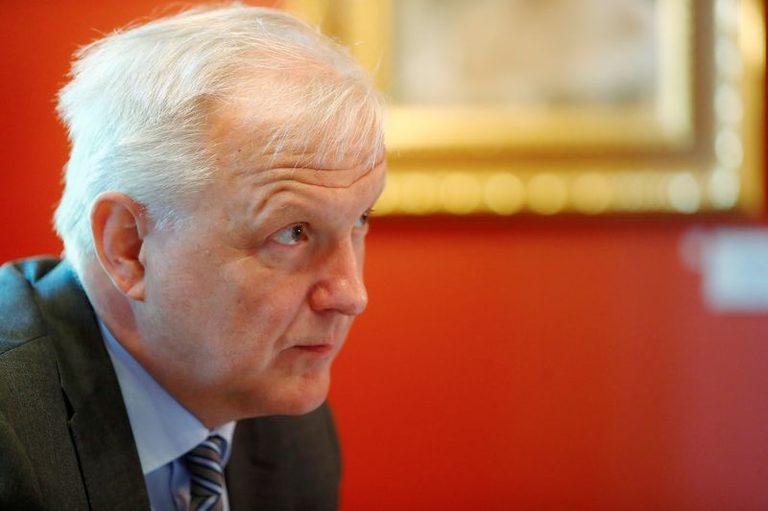
At a European Systemic Risk Board conference on Friday, Finnish central‑bank governor Olli Rehn highlighted a paradox in the euro‑area’s inflation outlook. While energy prices are climbing toward the European Central Bank’s “adverse” scenario, the recent surge in long‑term bond yields is likely to dampen the transmission of those costs to the broader economy.
Energy costs and inflation risk
Rehn noted that inflation has already risen well above the ECB’s 2% target and could near 4% by year‑end – roughly double the goal. “Higher energy prices bring us closer to the ECB’s adverse scenario in terms of inflation,” he said, underscoring the pressure on policymakers to consider further rate hikes after two increases this summer.
Rising yields as a counterweight
He added that the steep climb in long‑term interest rates is expected to slow growth and reduce the pass‑through of the energy shock to other prices and wages. “The rise in long‑term interest rates will slow growth and reduce the pass‑through of the energy shock to other prices and wages,” Rehn explained, emphasizing the high degree of uncertainty that still surrounds growth and inflation projections.
Why yields have spiked
Government borrowing costs have surged in recent weeks, largely reflecting higher U.S. yields as investors worry about Washington’s fiscal trajectory. In addition, the world’s largest technology firms are issuing record amounts of debt to fund artificial‑intelligence investments, crowding out other borrowers, including sovereign issuers. The 10‑year German bond now yields 3.57%, a 17‑year high, while a comparable U.S. Treasury offers 5.32%.
Tech‑sector debt and financial stability
Rehn warned that the rapid expansion of tech‑sector borrowing could pose a stability risk. “A sharp correction in AI‑related valuations could spread through equity and credit markets,” he cautioned, noting that history shows technological revolutions can both transform economies and generate market over‑optimism.
Euro‑zone resilience
Despite these headwinds, Rehn observed that the euro‑area economy remains surprisingly resilient, with growth holding up better than expected against high energy costs. He suggested that the combination of higher yields and a still‑robust economic base may help keep inflation from spiraling further.
Outlook
Rehn concluded that while the ECB faces a challenging environment, the current dynamics of bond markets provide a modest cushion against the worst‑case inflation scenario. Policymakers will continue to monitor energy price developments, yield movements, and the broader macroeconomic picture as they decide on any additional monetary‑policy actions.
Original reporting: Appleton, WI News Feed (HLL/CB) — read the source article.