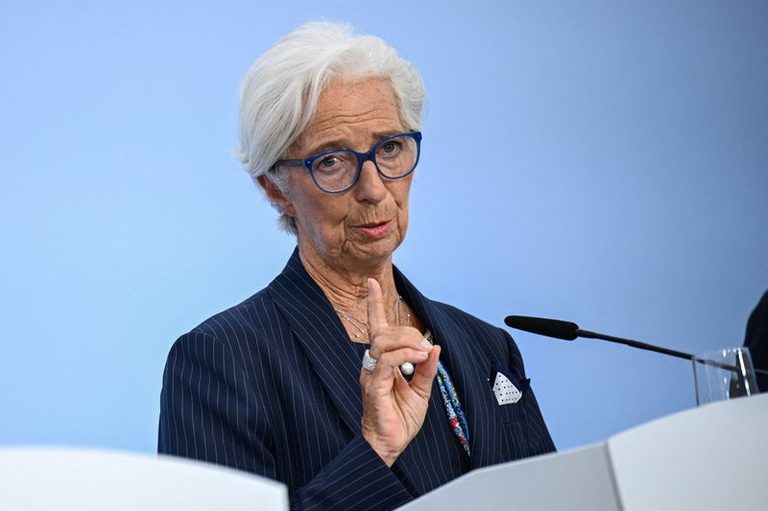
In a recent hearing before a European Parliament committee in Brussels, European Central Bank President Christine Lagarde emphasized that a “measured response” to the euro‑zone’s rising inflation remains appropriate. While inflation has already passed the 3% mark and could near 4% by year‑end—well above the bank’s 2% target—Lagarde cautioned that the surge is largely driven by higher oil and gas prices linked to the ongoing U.S.–Iran conflict.
Why the ECB is holding steady on policy
Lagarde noted that, although price pressures are evident, there is still no clear evidence that these higher costs are becoming embedded in wages. “We do not see evidence at this stage of energy prices feeding into higher wages,” she said. This assessment underpins her view that the ECB should continue with a cautious, step‑by‑step approach rather than rushing into aggressive rate hikes.
Market expectations versus the ECB’s outlook
Financial markets have been betting that the ECB may need up to four additional rate hikes over the next year, on top of two already delivered during the summer. Lagarde pushed back on the most aggressive forecasts, arguing that the current inflation spike is largely transitory and tied to external energy shocks. She acknowledged, however, that the risk profile is tilted toward higher inflation and that uncertainty remains high.
What a “measured response” could look like
Economists interpreting Lagarde’s comments suggest that the first two hikes—scheduled roughly three months apart—provide a useful framework. Many anticipate that the ECB will sit out its October 29 meeting and wait until the December session, when fresh economic projections are expected, before deciding on further action.
Broader economic backdrop
Beyond inflation, Lagarde painted a more optimistic picture of the euro‑zone economy. She highlighted solid manufacturing performance, a resilient labour market, and continued investment that should support growth. These factors, she argued, give the ECB room to act prudently without jeopardising the recovery.
Implications for businesses and households
For European businesses and households, Lagarde’s stance signals that borrowing costs are unlikely to rise dramatically in the immediate term. A gradual tightening path helps avoid shocking the economy while still addressing price pressures. Consumers can expect that any future rate increases will be communicated well in advance, allowing firms to plan and households to adjust budgets accordingly.
Looking ahead
The ECB’s next moves will depend heavily on how energy prices evolve and whether inflation begins to feed into wage growth. Lagarde reaffirmed the bank’s commitment to keeping inflation anchored at its target, noting that the institution remains vigilant and ready to act if the data warrant a stronger response.
As the euro‑zone navigates these challenges, the balance between curbing price rises and sustaining economic momentum will be the defining test for the ECB’s monetary policy over the coming months.
Original reporting: Appleton, WI News Feed (HLL/CB) — read the source article.