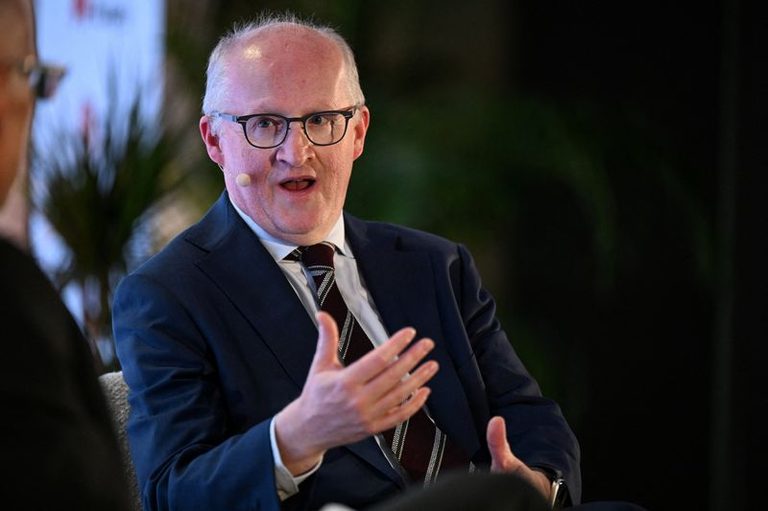
Frankfurt – European Central Bank chief economist Philip Lane told a conference on Monday that the late‑summer surge in energy prices is likely to act as a drag on growth across the eurozone. He warned that such “demand destruction” episodes can limit how aggressively the central bank must tighten monetary policy to keep inflation in check.
Lane noted that the ECB has already raised interest rates twice this summer. Market participants expect another two to three rate moves over the next year, fearing that higher rates could trigger second‑round price effects. However, the economist said underlying inflation indicators show no firm upward shift in medium‑term inflation expectations.
Growth remains resilient but faces new headwinds
Despite the energy shock, Lane highlighted that growth in the euro area has been surprisingly resilient, thanks in part to continued government spending and increased investment in artificial intelligence. Yet he cautioned that high energy costs could erode this resilience.
“This second wave of the energy supply shock poses direct upside risks to the inflation outlook but also downside risks to the growth outlook,” Lane said. “All else being equal, these ‘demand destruction’ channels can limit the required adjustment in the monetary stance to ensure the timely return of inflation to the target.”
Fiscal support expected to wane
The economist added that while fiscal stimulus has helped cushion the economy so far, the fiscal impulse is expected to decline in the coming years, adding further pressure on growth.
“Taken together, this means that we remain in the ‘middle path’ for monetary policy, in which a measured response is appropriate to keep inflation in check,” Lane concluded.
Lane’s comments come as the ECB balances the dual mandate of price stability and supporting economic activity. The central bank’s next policy decision is expected later this month, where it will assess whether the current energy‑driven inflationary pressures warrant additional rate hikes or if a more cautious approach is justified.
Analysts will be watching upcoming data on energy prices, consumer spending, and business investment to gauge the trajectory of both inflation and growth in the eurozone.
Original reporting: Appleton, WI News Feed (HLL/CB) — read the source article.