The World Health Organization (WHO) has reported that the Ebola outbreak in the Democratic Republic of Congo is spreading largely undetected, with 80% of new patients having no known link to existing patients. This has made it challenging for health workers to contain the outbreak, which has so far infected 1,792 people and killed 625, according to government data.
Challenges in Containing the Outbreak
The WHO Emergencies Director, Chikwe Ihekweazu, stated that the true scale of the outbreak could be two to four times larger than official data suggests. The outbreak has been declared in mid-May, and the WHO estimates that the number of confirmed cases may be between two and four times larger than the number of reported cases.
The virus has spread beyond the epicentre to North Kivu province, South Kivu province, and Tshopo province. In Bunia, Ituri’s capital, roughly one in two patients tested for Ebola turns out to be positive, indicating intense, ongoing community transmission. The Bundibugyo strain of the Ebola virus may cause milder symptoms than other types, reducing risk perceptions among affected communities and leading some families to care for sick relatives at home before seeking treatment.
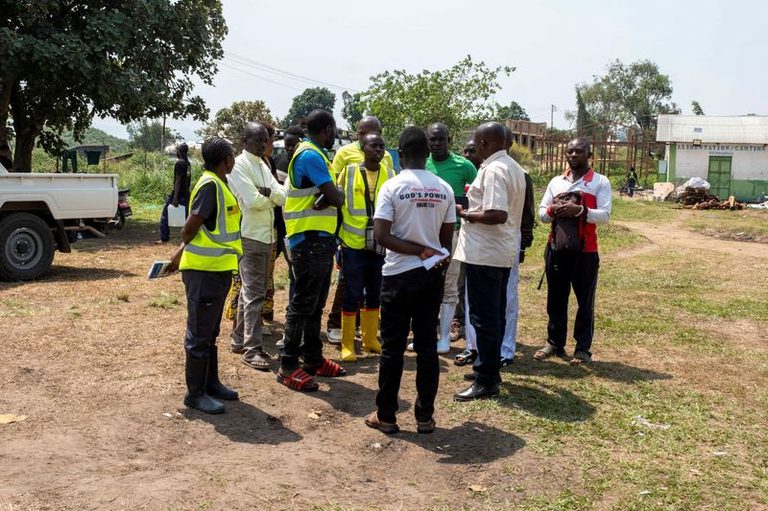
Community deaths also remain a major concern, with an analysis of the first 400 Ebola deaths in the outbreak finding that roughly 70% occurred outside treatment centres. Strengthening surveillance remains the biggest challenge for the response, and authorities have begun training 21,000 community health workers to conduct house-to-house visits, identify suspected cases, and encourage people with symptoms to seek care.
Original reporting: Appleton, WI News Feed (HLL/CB) — read the source article.