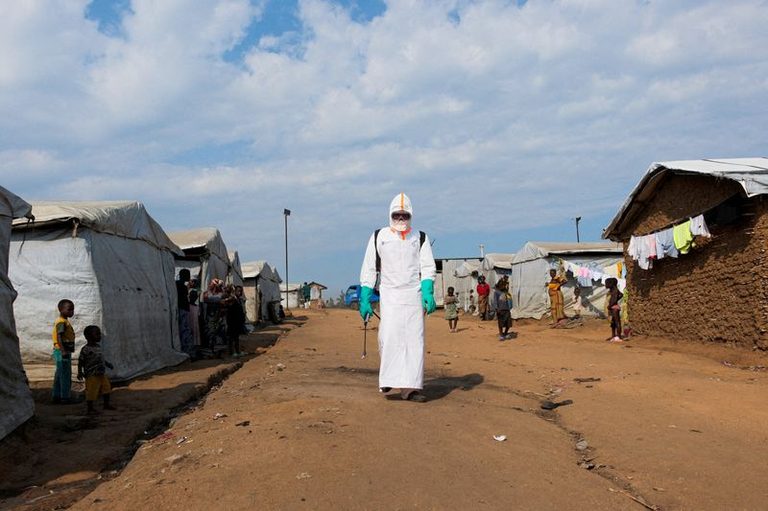
Congo’s Ebola surveillance teams are struggling to track infections due to a shortage of vehicles and poor reporting from health facilities. Dr. Moubarack Kano, a field investigator, said that his team often discovers the disease only after it has already spread.
Challenges in Tracking Infections
The team’s vehicle shortage is just one of the challenges they face. In many clinics, staff have failed to report suspected cases to central authorities, making it difficult for the surveillance teams to plot chains of people who may have been infected.
In some cases, patients have refused to be tested, and results have come in late, further hindering the team’s efforts. The rare species of the disease spreading in Congo, known as Bundibugyo, has no known vaccine or treatment and can be difficult to detect in its early stages.
Impact on Local Communities
The outbreak has so far infected 3,200 people and killed 1,405, according to government figures. The true scale of the outbreak could be two to four times larger than reported data, the World Health Organization has said.
Health facilities have been reluctant to issue alerts, as they risk losing patients who may be transferred elsewhere. The cost of calls is also a problem, and sometimes there aren’t enough staff to respond in time.
Original reporting: Appleton, WI News Feed (HLL/CB) — read the source article.