Jacksonville, Fla. – Eartha M. M. White is celebrated as an educator, businesswoman, humanitarian and institution builder, but her strategic use of sports is a lesser‑known yet vital part of her legacy. From the turn of the 20th century into her 90s, White recognized that athletics could do more than raise money; they could provide visibility, confidence and a pathway to leadership for Black residents.
Early years: sports as a community hub
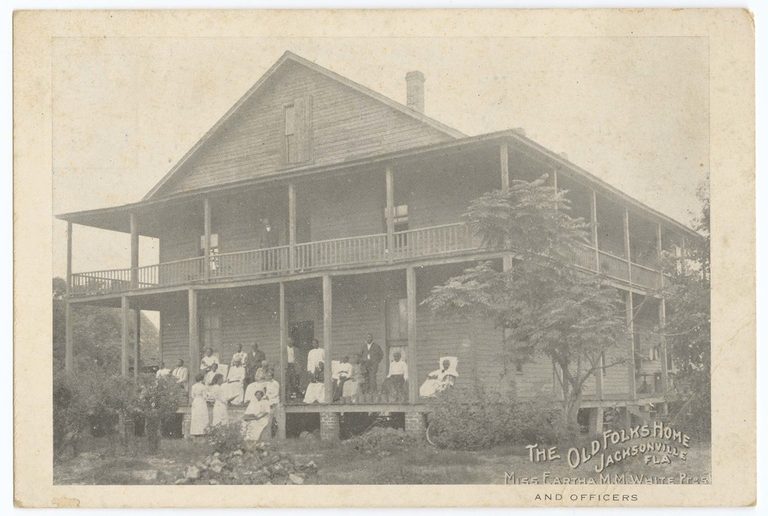
In 1903, while serving as secretary of a committee that established an Old Folks Home for Black seniors, White also coordinated charity football games for the Orphan Home and the new home. The Jacksonville Journal instructed teams to leave challenge letters at “Miss Eartha White’s store in Oakland,” turning her store into a de‑facto headquarters for Black athletics. The arrangement linked fundraising with the organization of competitive play, helping the Black community create its own sporting institutions during segregation.
Supporting young Black women in basketball
By December 1914, White was president of the young ladies’ basketball team at Bethel Baptist Church. An oyster supper held at her home funded the team, and her residence became a gathering place for players and supporters. White’s leadership provided the social legitimacy and resources needed for Black women to compete at a time when such opportunities were scarce.
Expanding influence through mid‑century events
White’s clout grew over the decades, culminating in her service on the citizens committee that prepared for a major football game on October 22, 1955, between Florida A&M University and Bethune‑Cookman College at Jacksonville’s Gator Bowl. Anticipated attendance of roughly 25,000 spectators highlighted the city’s capacity to host large‑scale Black sporting events, a testament to the infrastructure White helped build.
Sports as a bridge to broader community work
Beyond the field, White’s commitment to education, vocational training and welfare programs—such as donating land for a home for Black girls in 1939 and supporting wartime training at the Clara White Mission—reflected a consistent philosophy: opportunity requires solid infrastructure. Whether securing lumber for a school in 1899 or mobilizing carpenters for an Old Folks Home, she connected resources with people who needed them.
Legacy of empowerment
White’s approach demonstrates how sports can serve as a catalyst for community building, especially when combined with faith‑based values and a focus on family stability. Her work laid a foundation that modern Jacksonville organizations continue to draw upon, reminding us that athletics, when guided by purpose, can uplift entire neighborhoods.
Original reporting: Jacksonville Today — read the source article.