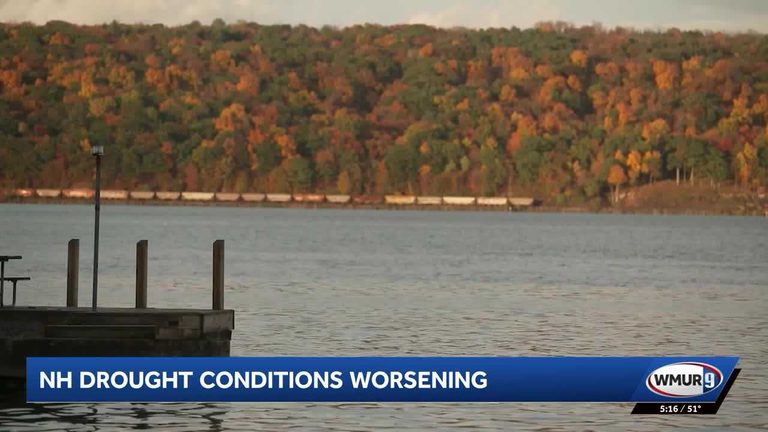
New Hampshire is facing a deepening drought, with the Department of Environmental Services confirming that parts of the Great North Woods and the Mount Washington Valley have entered severe drought status. The moderate‑drought zone has also expanded to cover the western Lakes Region and the Upper Valley.
Historic low river levels
“We see how low the rivers are,” said Ted Diers, assistant director of the Water Division at the Department of Environmental Services. “In fact, some of the levels are almost historically low for this time of year.” By the end of October, Concord recorded a precipitation deficit of more than three inches, making it the 19th driest October on record.
Winter water‑conservation advice
Diers cautioned that as the ground freezes, any precipitation that falls before the snow melts will not soak into the soil, reducing the amount of water available when the thaw arrives. “We really do need to be careful this time of year,” he added. Residents who rely on well water are especially urged to inspect their systems for leaks, replace aging appliances, and install low‑flow toilets to preserve what little water remains.
How to report drought impacts
Anyone experiencing drought‑related effects can report them at drought.gov. The agency describes the reporting tool as a “citizen‑science” effort, allowing individuals to log the specific impacts they are feeling in their communities.
Looking ahead
Officials stress that improvement is unlikely until spring, when snowpack and meltwater can replenish streams and groundwater. In the meantime, they recommend continued monitoring of water levels, conserving water wherever possible, and staying informed through state updates.
Original reporting: WMUR (Hearst) – local news — read the source article.