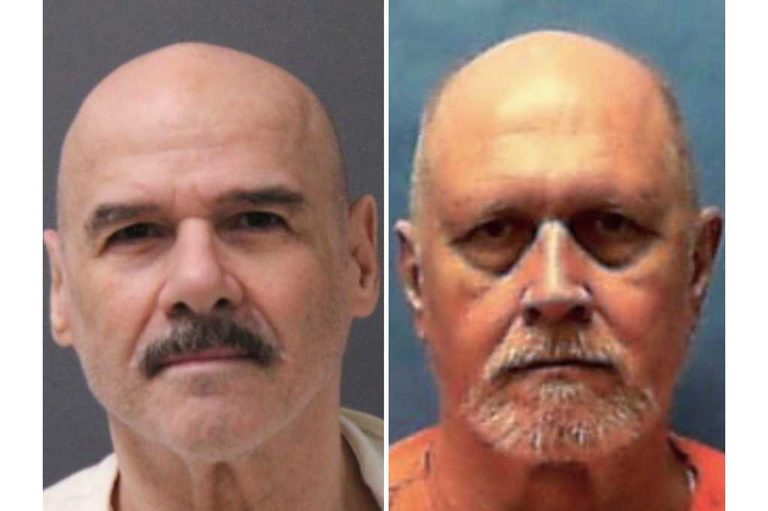
On Thursday evening, the Texas Department of Criminal Justice carried out the execution of 70‑year‑old Reinaldo Dennes at the Huntsville penitentiary. The process, which uses a three‑drug protocol including the sedative pentobarbital, extended beyond an hour because prison staff had difficulty locating a viable vein for the intravenous needles.
Witnesses reported that Dennes moaned repeatedly about pain, groaned several times, and asked God to take him away from the suffering. Prison officials later stated that all required procedures were followed according to state guidelines.
Context of the execution
Dennes became the ninth inmate executed in Texas this year, following the state’s long‑standing use of capital punishment. He was convicted of capital murder for the 1996 shooting death of diamond dealer Janos Szucs in Houston. The case involved a robbery attempt in which a security guard was also shot but survived and identified Dennes as the assailant.
Florida also carried out an execution on the same day, marking the state’s 20th execution of the year under Governor Ron DeSantis, a Republican who has emphasized aggressive use of the death penalty.
Broader implications
The executions of two men in their 70s highlight the aging demographic of the U.S. death‑row population. While Texas continues to enforce capital punishment, the procedures and duration of lethal injections remain a point of public scrutiny.
Both states have faced criticism from death‑penalty opponents, but officials maintain that the executions are lawful and necessary for delivering justice to victims’ families.
Original reporting: KOAT Albuquerque — read the source article.