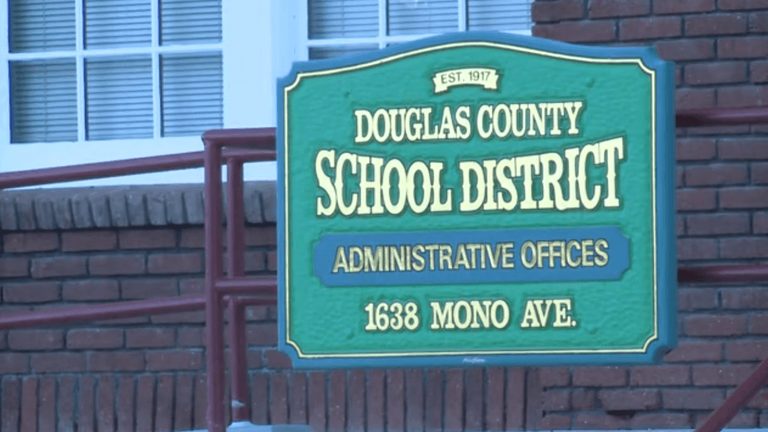
In Minden, Nevada, a public records request submitted on Jan. 28 led to the accidental disclosure of private employee information from the Douglas County School District. The records, which were supposed to be redacted, included full Social Security numbers, signatures, cell phone numbers, email addresses and reference details.
Families affected by the breach
Scott Colato, a teacher at Carson Valley Middle School, discovered that his personnel file contained the sensitive data. He and his wife, Ali, say the leak has forced them into a daily routine of checking bank accounts for unauthorized activity. “This is my life for the rest of my life, because every day I have to wake up and wonder,” Colato said.
Ali Colato described the stress of waking each morning to monitor her phone for potential theft. “The first thing I do is check my phone and hope that nobody stole my money overnight,” she said.
Requester’s role and district response
The requester, a parent whose eighth‑grade son had been involved in a seven‑year dispute with five district staff members, said he did not initially notice the unredacted information. When he later realized the extent of the disclosure, he called the district’s handling “sloppy.” He returned the original documents on May 18 after the district acknowledged the error.
Since the leak, the Colatos report at least 13 fraud attempts, including a $1,000 transaction at Best Buy. They say the breach directly enabled the fraudulent activity because the released files contained extensive personal details.
Lawsuit seeks systemic change
Six plaintiffs – five district employees and Ali Colato – have filed a lawsuit against both the school district and the individual who made the request. Their attorney, Max Stovall, emphasized that the suit is focused on policy changes rather than monetary compensation. “What they would like to see from the top down is some sort of change. It’s not about the money,” Stovall said.
The district’s legal filings state that the records were paper copies and that the disclosure was inadvertent. The district also argues it cannot be held liable for fraud that may have originated elsewhere, and the requester denies responsibility for any subsequent theft.
Credit‑monitoring promises fall short
According to the plaintiffs, the district’s response has been inconsistent. Some affected employees were offered credit monitoring for three years, while others received no protection or notification at all. “Two of my plaintiffs were never notified by the school district of any breach,” Stovall added.
Despite the breach, Scott Colato remains a teacher in the district and says he still loves his job, though the incident has altered his sense of security at work.
Broader implications for district privacy practices
The case highlights the challenges school districts face in balancing transparency under Nevada’s public‑records laws with the need to protect employee privacy. Advocates for stronger data‑security measures argue that the district should adopt stricter redaction protocols and provide comprehensive credit‑monitoring to all affected staff.
Local officials have not commented beyond a standard statement that personnel matters are confidential. The lawsuit remains pending, and the district has not indicated any immediate policy revisions.
Original reporting: News 3 KSNV Las Vegas (local) — read the source article.