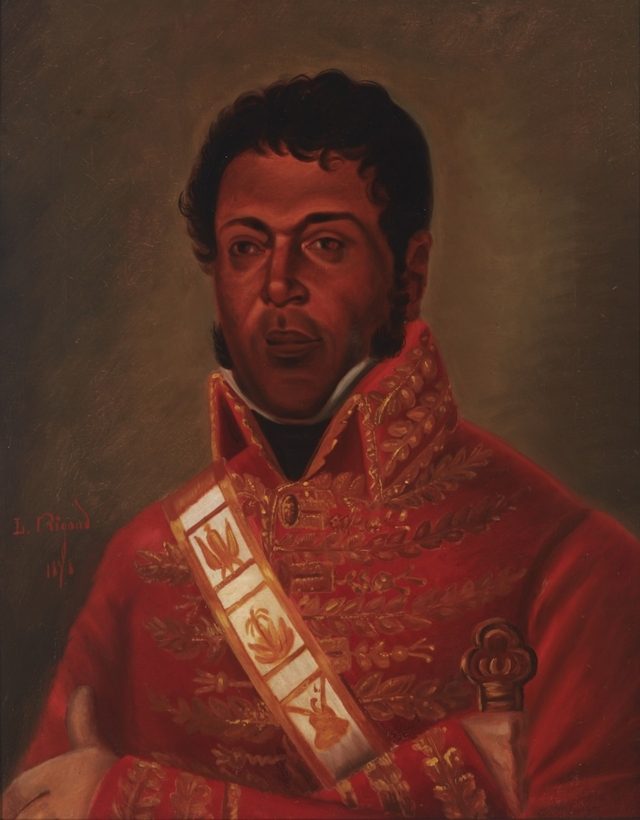
The Yale Peabody Museum in New Haven has opened a timely exhibition titled Haiti in the Age of Revolutions. Featuring fifteen restored portraits painted by Haitian artist Lafargue Rigaud between 1879 and 1881, the show brings the nation’s revolutionary founders back into public view.
Why the exhibition matters
Haiti was the first nation to achieve a successful slave revolt, outlaw slavery permanently, and establish a republic in 1804. Yet its story has often been overlooked, in part because the island’s independence posed a constant threat to slave‑holding powers such as France, Spain, and the young United States. By presenting these portraits, the museum offers a visual reminder of Haiti’s pivotal role in the broader struggle for liberty.
From attic storage to public display
After spending decades in attic storage at the Smithsonian, the portraits were sent to Yale for study in 1963. They later entered the private home of Yale professor Richard Morse and his Haitian wife, Emerante de Pradines. In 2010, Yale conservator Mark Aronson traveled to Haiti following the 2010 earthquake, helping to launch a cultural‑recovery project that ultimately led to the restoration of the Rigaud series.
Restoration work, overseen by YCBA senior conservator Mark Aronson, revealed serious liquid damage on one canvas but, as Aronson noted, the restored works are “wonderful” and stand as a testament to the resilience of Haitian heritage.
Scholars weigh in
The opening symposium featured Yale Center for British Art senior conservator Mark Aronson, Professor of French, Black Studies and History Marlene Daut, and UC Berkeley arts professor Darcy Grimaldo Grigsby. Daut emphasized that the portraits depict leaders in military dress rather than regal robes because Haiti’s leaders were rarely recognized by other nations and were constantly under attack.
Grigsby highlighted that portraiture was a medium “most antithetical to slavery,” offering Haitian leaders a means of asserting respectability, autonomy, and a lasting legacy. She compared Rigaud’s work to John Trumbull’s portraits of the United States founding generation, noting that both series were created after many subjects had died, underscoring the importance of visual memory.
Historical context and future study
The portraits originally traveled to the 1884 World’s Industrial and Cotton Centennial in New Orleans, where they were displayed in the “Colored People’s Pavilion.” After that fair they vanished from public view, eventually ending up in the Smithsonian’s attic. Their recent return to New Haven provides scholars with a rare opportunity to study Haiti’s early republican era and to re‑center the nation’s contributions in American and world history.
Professors Daut and Grigsby both stressed that the exhibition challenges the stereotype of Haiti as an impoverished state, instead presenting it as a governed island with a rich political heritage. The series also invites further research into the families of the depicted leaders, reminding viewers of the personal lives behind historic events.
Visiting information
The exhibition is housed in a temporary gallery off the entryway atrium of the Peabody Museum and will run through March 30, 2027. Admission follows the museum’s standard policy, and a symposium recording and image overview are available on the museum’s website.
Original reporting: New Haven Independent — read the source article.