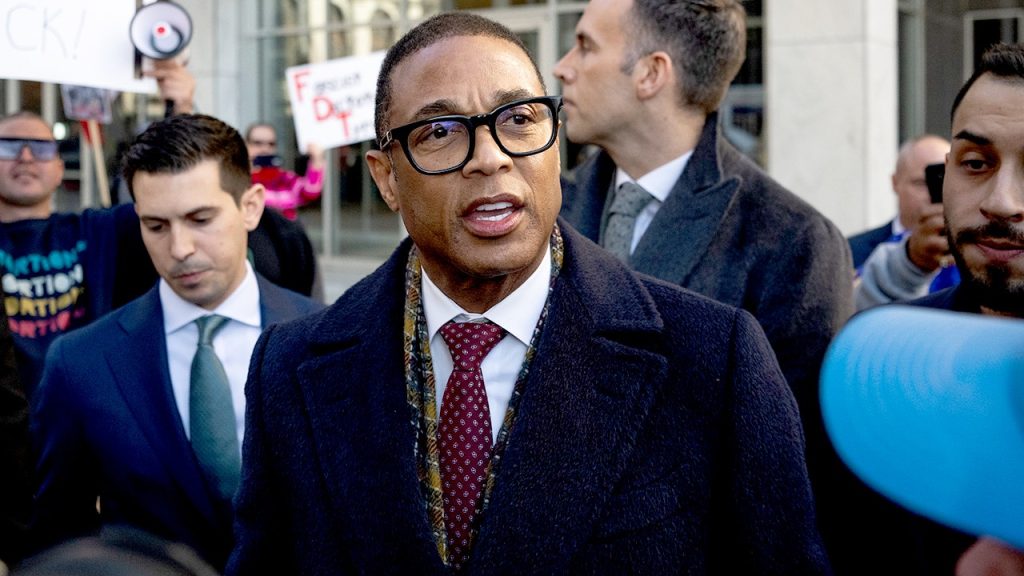
Don Lemon took aim at the TV world in a forceful Substack essay that ties his own ouster from CNN to the end of CBS’ “The Late Show with Stephen Colbert,” names companies like CBS and CNN, and calls out the culture inside late-night and cable news where he says promotion and power have little to do with competence. He pulls no punches about executives and a media class he says protects itself, and he frames the moment as a warning about free speech and who gets a microphone.
Lemon opens by arguing the networks punished him for a style of questioning and for being uncomfortable for the people in charge. “The networks didn’t like me asking conservatives hard questions,” Lemon wrote. From a Republican perspective his grievance about being “punished” for engagement with conservative voices will resonate with people who feel mainstream outlets silence opposing views.
He then links his experience to the news that CBS is ending Stephen Colbert’s long-running show, and he folds his own legal fights and his exit from CNN into that narrative. The headline he chose, “Don’t cry for Stephen Colbert. Cry for the First Amendment,” sets the tone for a piece that mixes personal grievance with broader alarm, and it forces a question few executives want to answer: who benefits from the current media setup?
Lemon’s target is not just programs but a personnel culture he says rewards the wrong people. “The world that produced ‘The Late Show,’ the world of legacy media, cable news, and network television, has long had a problem nobody wanted to name out loud,” Lemon wrote. He accuses that world of promoting “White men who fail spectacularly and are promoted for it,” a line meant to expose structural favoritism and to shock readers into attention.
He piles on specifics about how promotions and cushy moves follow spectacular failures rather than accountability. “White men who make catastrophic decisions and are handed bigger offices for it. White men who are visibly, demonstrably unqualified and are given more power anyway. I have watched it for thirty years. I have been managed by it. I have been undone by it.” For a conservative reader, the accusation has a strange double edge: it attacks traditional power structures while also echoing complaints about elite dysfunction that conservatives have been pushing for years.
Lemon points to an unnamed executive who moved between Colbert’s show and CNN as an example of the problem, choosing to shame through suggestion rather than naming names. “I won’t name him. I don’t need to. But I will say this: it was one of the most spectacular examples of a White man failing up that I have witnessed in this industry,” Lemon claimed, calling the executive “profoundly unqualified” and “visibly incompetent.” It’s a tactic that reads like theater: make the claim public, dodge accountability for it, and leave the audience to fill in the blanks.
He also questions the common economic explanation for Colbert’s cancellation, suggesting mismanagement could be as big a factor as changing viewing habits. “Maybe losing tens of millions of dollars a year wasn’t just about the economics of late night. Maybe it was about who was running the building,” he added. That point lands with people who think corporate missteps and managerial fads—wasteful deals, priority shifts, ideology over audience—have hollowed out legacy platforms more than any single political trend.
Then Lemon rings the First Amendment bell, urging people to worry about who gets access to TV and who does not. “Cry for the First Amendment,” Lemon warned. “Cry for the journalists who are being forced to make room for right-wing extremists on their platforms. People who come on television only to lie, deny, and mislead.” From a Republican standpoint that warning reads as alarmist and unfair: labeling mainstream conservative voices as “extremists” is a political move, and the real threat to speech is selective gatekeeping by elites who pick winners and losers.
His final thrust is both a warning and a demand: networks should answer for whom they promote and whom they silence, and viewers should watch how power is parceled inside these buildings. The piece is a challenge to a media class that often thinks its brand and its decisions are beyond public judgment, and it will land differently depending on where you sit in the political house one walks into each evening.