Indianapolis is experiencing a troubling surge in domestic gun violence even as the city’s overall gun‑related incidents continue to fall. Data from the Indianapolis Police Department and the Gun Violence Archive show that between 2014‑2019 the city averaged 8.5 deaths and 10.7 injuries per year from domestic shootings. From 2020‑2025 those averages jumped to 21.5 deaths and 15 injuries annually.
Why the spike?
Experts point to three intersecting factors. First, the COVID‑19 pandemic isolated victims with their abusers and cut off traditional support networks. “They were trapped in a way survivors haven’t been in a generation,” said Caryn Burton, homicide‑reduction strategies coordinator for the Indiana Coalition Against Domestic Violence.
Second, the state’s recent Constitutional Carry law has made firearms more accessible to individuals who should not have them, including many domestic abusers. The law eliminates the requirement for a permit, allowing anyone who can legally own a gun to carry it without additional background checks.
Third, funding for domestic‑violence services has been slashed. The Victims of Crime Act, which historically redirected fines from white‑collar crime prosecutions to victim assistance, has seen its revenue decline. Over the past two years, Indiana’s domestic‑violence programs lost half of their Victims of Crime Act funding – roughly $6 million – forcing three shelters to close and threatening the shutdown of up to seven more.
Human stories behind the numbers
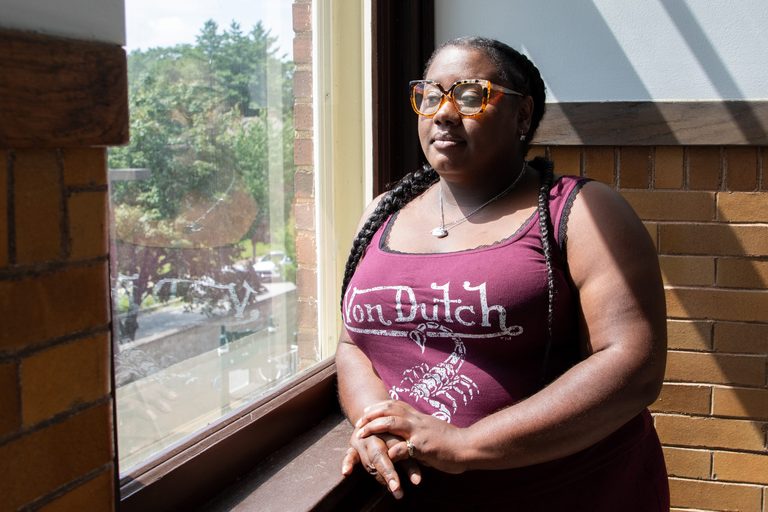
Marcya Hill‑Brown’s experience illustrates the cycle many survivors face. She met her partner in 2017, married, and had a child. The relationship quickly turned abusive, with gaslighting, physical assaults and threats involving a firearm. Even after obtaining a protective order, her abuser repeatedly violated it, and law enforcement’s response was limited.
Hill‑Brown, a former employee of Coburn Place – a local domestic‑violence shelter – says she struggled to find help during the pandemic. “I only got to leave the house to go grocery shopping,” she recalled, adding that postpartum depression and financial insecurity compounded her vulnerability.
Community response and what’s needed
Local advocates warn that the loss of funding is creating a “level of confusion, fear and anxiety” for survivors who no longer know where to turn. Nearly 70 % of domestic‑violence survivors were denied services in 2025, according to the Indiana Coalition Against Domestic Violence.
Despite the challenges, organizations continue to provide critical assistance. Shelters, legal aid groups and faith‑based ministries are stepping up, but they need stable funding and policy support to meet the growing demand.
What can be done?
Stakeholders urge lawmakers to reconsider the impact of Constitutional Carry on domestic safety and to restore funding streams for victim services. Restoring robust background checks for firearm purchases and ensuring that protective orders are enforced promptly could help curb the trend.
In the meantime, community members are encouraged to stay informed, support local shelters, and report violations of protective orders. As Indianapolis works to reverse this disturbing rise, the hope is that coordinated effort between law‑enforcement, policymakers and faith‑based groups will protect families and uphold the sanctity of the home.
Original reporting: Mirror Indy — read the source article.