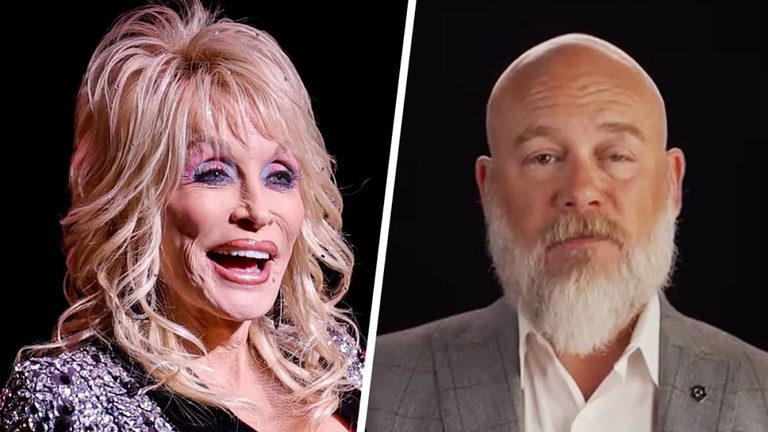
Attorneys for the Dolly Parton estate filed a civil complaint this week accusing the late singer’s nephew, Bryan Seaver, of threatening to damage the iconic artist’s brand and employees. Court filings show photos of barbed wire, yellow caution tape and “no trespassing” signs placed around Seaver’s front yard in an apparent effort to avoid being served with the lawsuit.
Allegations and legal actions
The estate’s managing entity, She’s Alive, led by longtime manager Danny Nozell, says Seaver launched a “campaign of threats” that caused staff and business partners to quit. The complaint includes text messages and emails in which Seaver boasts about setting up a podcast to “ruin Dolly’s brand partnerships” and demands payment.
She’s Alive also claims it had to hire private security for its remaining personnel and their families because of Seaver’s intimidation. The estate removed Seaver from his security role after describing his conduct as “terrorizing” and untenable.
Court proceedings
Judge I’Ashea L. Myles granted a temporary restraining order on Sept. 22 after reviewing Seaver’s messages, which she said targeted specific business relationships rather than expressing general dissatisfaction. The order bars Seaver from contacting or coming within 1,000 feet of any She’s Alive employees, attorneys, or business partners and from interfering with the estate’s business affairs.
Seaver was eventually served via email after three failed attempts to deliver the summons, verified complaint, and injunction paperwork in person. Court records indicate he has not yet retained an attorney.
Seaver’s response
In a text to The New York Times, Seaver claimed the estate’s portrayal was “out‑of‑context” and suggested the narrative was being used to paint him as an opponent of Dolly Parton’s legacy.
The legal dispute has drawn national attention, highlighting the challenges of protecting a beloved cultural icon’s brand and the seriousness with which the estate is pursuing alleged threats.
Original reporting: NBC Connecticut (Hartford) — read the source article.