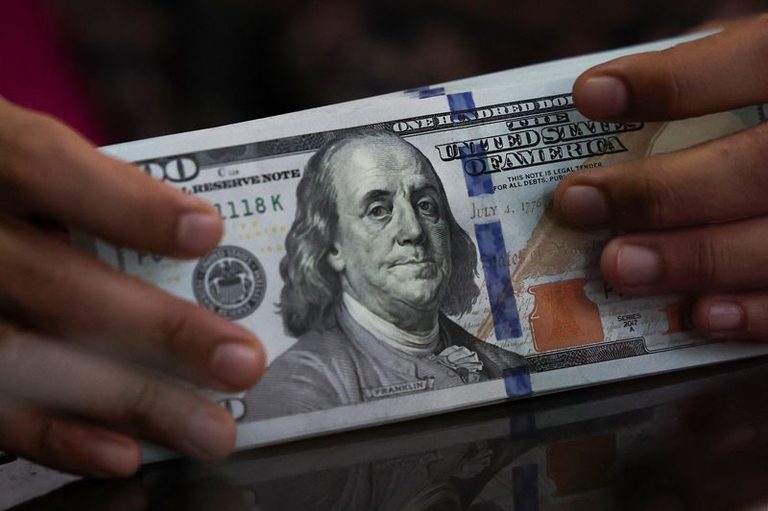
Singapore – The U.S. dollar was near its highest level of the year against the euro on Wednesday, positioning itself for the strongest monthly gain in 14 months. Analysts point to robust U.S. growth and the prospect of higher interest rates as the primary engines of the rally, while Europe contends with lingering energy price pressures and political gridlock.
Euro Slides to Lowest Since May 2025
Overnight the euro fell to $1.1312, its lowest level since May 2025, and traded around $1.1339 in Asian markets. The currency is also testing support near 178 yen. Through September the dollar is up roughly 2.5% against the euro, a move that also pushed the Australian dollar below 70 cents for the first time since early August.
Analysts Cite Diverging Economic Paths
“The U.S. economy is running hot, Europe is losing the global AI race, and energy supplies and French politics remain big concerns for the euro,” said Brent Donnelly, president of foreign‑exchange trading at Spectra Markets. Earlier this month, benchmark European gas prices spiked to their highest level since 2022, adding to the continent’s cost pressures.
French markets are under strain from high debt levels and political deadlock ahead of next year’s presidential election. The spread between French and German yields has widened to more than 115 basis points, the widest gap since 2012.
Currency Market Dynamics
Options pricing has shifted sharply in recent sessions, favoring protection against further euro declines. Donnelly cautioned that the dollar will likely need strong U.S. data to sustain its advance.
The dollar also posted a 16½‑month high against the Swiss franc, trading at 0.8358 francs. The franc’s weakness reflects investors’ search for higher‑yielding alternatives to the yen.
Meanwhile, the yen has lost favor as a short‑term hedge against the dollar after the United States and Japan intervened in July and August. The dollar has slipped about 1.5% against the yen in September.
Upcoming U.S. Data Releases
Market attention turns to the Federal Reserve’s preferred inflation gauge, core personal consumption expenditures (PCE), due later Wednesday. The focus will shift to Friday’s U.S. jobs report, which could reinforce expectations of further rate hikes if the numbers are strong.
However, New York Fed President John Williams recently warned there is “no need for urgency” in raising rates, prompting a modest dip in two‑year Treasury yields and a reduction in the probability of a rate hike next month from 71% to 50%.
Australian and New Zealand Currencies
Australian inflation data due Wednesday could support the Aussie, which slipped after Reserve Bank of Australia Governor Michele Bullock indicated the board discussed holding rates before a 25‑basis‑point hike announced Tuesday.
“The risk is another hike by the RBA, possibly as soon as the next policy meeting in November. However, another hike is already priced in by markets,” said Joe Capurso, head of foreign exchange at Commonwealth Bank of Australia. He added that the next major move in AUD/USD is likely down, not up.
The Australian dollar hovered around $0.6986 early in the Asia session, while the New Zealand dollar, at $0.5638, hit its lowest level since last November.
Other Major Currencies
British sterling touched a three‑month low on Tuesday, trading near $1.3227. The Chinese yuan headed for its seventh straight quarterly gain against the dollar before China’s October 1‑7 holiday period.
Overall, the dollar’s strength reflects a combination of solid U.S. economic momentum and divergent challenges facing Europe, from energy costs to political uncertainty.
Original reporting: Appleton, WI News Feed (HLL/CB) — read the source article.