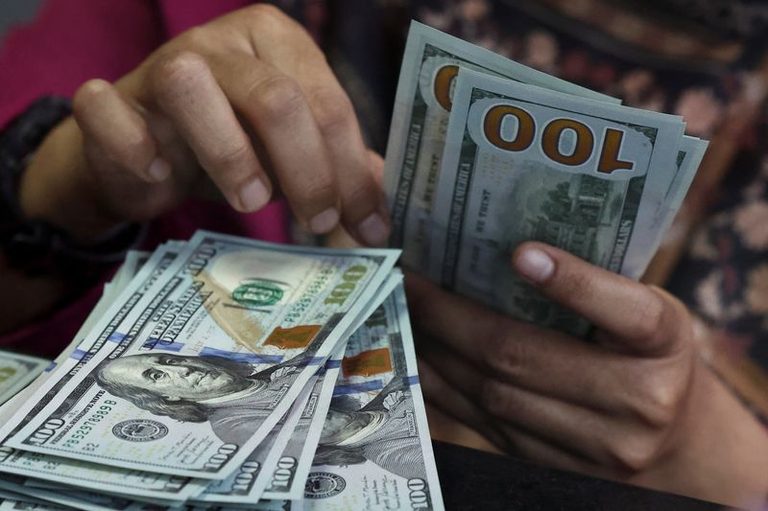
The U.S. dollar posted its third straight week of gains on Friday, reaching a 17‑month high as a worldwide bond market rout pushed borrowing costs to levels not seen in decades. The dollar index, which tracks the greenback against six major currencies, stood at 102.08, on track for a 1% weekly gain – a performance last recorded in May 2025.
Bond yields surge amid inflation fears
Investors reacted sharply to a steep sell‑off in global bonds on Thursday. Yields on benchmark U.S. 10‑year Treasury notes rose to 5.344%, the highest since 2002, before easing slightly to 5.249% in early Friday trading. The broader bond market also steadied, but the overall trend points to multi‑decade peaks in borrowing costs.
Chief investment strategist Charu Chanana of Saxo explained that the market is confronting a “sticky inflation, heavy government borrowing and large bond supply” mix. She added that the rise in long‑end yields reflects growing term‑premium and fiscal‑risk concerns, not just expectations of an immediate Federal Reserve rate hike.
Fed policy under close watch
Recent data showed U.S. consumer prices in August rose less than expected, and July’s inflation figure was revised downward, prompting traders to scale back bets on a near‑term rate increase. Two senior Fed officials this week emphasized the need for more data before deciding on another hike.
Attention now turns to the upcoming U.S. payroll report, which is projected to show a slowdown in job growth for September and an unemployment rate of about 4.1% for a third consecutive month. Pepperstone’s head of research, Chris Weston, warned that a hotter‑than‑expected wages print could heavily influence Treasury yields, the dollar and broader market sentiment.
Euro and other currencies under pressure
The euro slipped to $1.1237, its lowest level since May 2025, weighed down by worries over France’s fiscal health and broader political risk in Europe. The yen held steady at 158 per dollar after Japan’s core inflation accelerated to its fastest pace in ten months.
Senior rates strategist Prashant Newnaha of TD Securities noted that the market is not pricing in a hawkish Fed, describing the dollar’s strength as a “flight‑to‑safety” move driven by European developments. He expects the dollar index and the yen to continue strengthening together.
Energy prices and broader market impact
Brent crude futures rose above $100 a barrel as traders monitored stalled U.S.–Iran talks aimed at ending conflict in the Middle East. The higher oil price adds to inflationary pressures, reinforcing the dollar’s appeal as a safe‑haven asset.
Other major currencies also faced declines. The British pound was at $1.3187, while the Australian dollar slipped 0.18% to $0.6918, both near three‑month lows. The New Zealand dollar fell 0.22% to $0.5591, its lowest level since November 2025.
Outlook
Analysts suggest the dollar’s recent rally is less about U.S. exceptionalism and more about challenges elsewhere, particularly in Europe where fiscal strain and energy shocks are eroding confidence in the euro. As long as inflation concerns and geopolitical tensions persist, the dollar is likely to retain its strength against other major currencies.
Original reporting: Appleton, WI News Feed (HLL/CB) — read the source article.