That’s the first thing most people want to know. Farmers markets in North Texas have a reputation for being more craft vendor than actual food source — a lot of candles and essential oils, not a lot of tomatoes. The Irving Farmers Market, held Saturday mornings at the Irving Heritage District along Story Road, is different enough that it’s worth a straight answer: yes, especially from late spring through early fall.
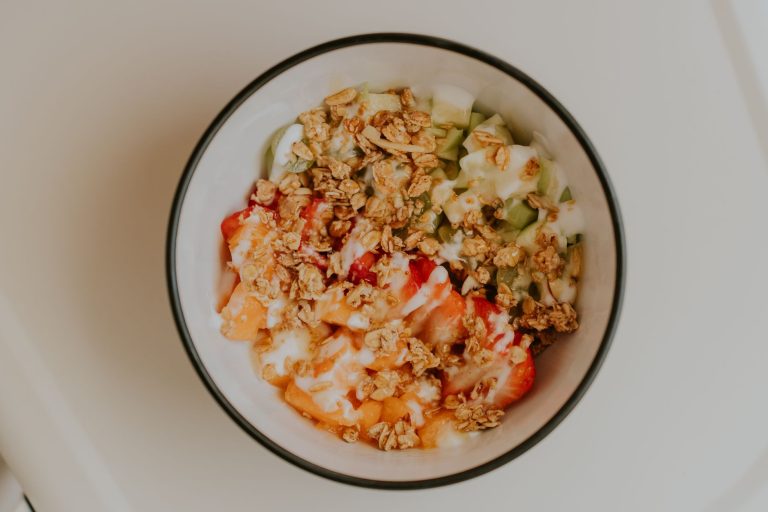
The market runs on the parking lot and green space near the Heritage Senior Center, which isn’t the most scenic setting in the world, but nobody’s there for the architecture. What draws regulars is a rotating lineup of around 20 to 35 vendors depending on the season, with a core group that shows up week after week. You’ll find Texas-grown peaches and watermelons in July and August that are noticeably better than what you’d grab at a grocery chain. Honey vendors, fresh herb growers, tamale makers, and a couple of backyard egg producers tend to anchor the market on busy weeks.
It opens at 8 a.m. and, like most outdoor markets in Texas heat, the energy peaks early. By 9:30 on a Saturday in August the crowd is thinning and so are the good strawberries, so earlier is smarter. Bring cash — some vendors take cards, but not all. The entrance is free, obviously.
The food stalls are worth factoring into the timing. A few prepared-food vendors rotate through, and on good weeks there’s fresh-made bread, kolaches, or something grilled. Nothing elaborate, but it makes for a better Saturday morning than eating beforehand. Coffee is available on-site from a small vendor, though it’s basic drip; this isn’t a specialty coffee situation.
The Heritage District location is intentional — it’s one of the older parts of Irving, away from the Las Colinas high-rises, closer to original residential streets and the small historic cluster around Irving City Hall. People who live in that part of town walk or bike over. You’ll see strollers, older neighbors who seem to know the vendors by name, and the occasional dog clearly in charge of the family unit. It feels like a real neighborhood market rather than a curated lifestyle event.
In the cooler months — roughly October through April — the vegetable selection shifts to root vegetables, greens, and citrus, and some of the summer vendors take a break. Spring and fall are arguably the sweetest spots: mild enough to stay a while, and the produce transitions in a way that keeps things interesting. Summer is hotter but more abundant.
If you’re coming from outside the Heritage District, parking on the surrounding streets is easy and free. The market is roughly 20 minutes from DFW Airport and sits just off SH-183, so it’s not hard to reach from most of the metro. But it draws mostly from within Irving itself — people who’ve been coming for years and know which vendor always brings the good peppers.
It won’t replace a weekly grocery run, and it’s not trying to. What it does well is give you a reason to leave the house at 8 a.m. on a Saturday and come home with something genuinely fresh. For a city that gets overlooked in conversations about North Texas food culture, that’s a consistent, low-key bright spot.