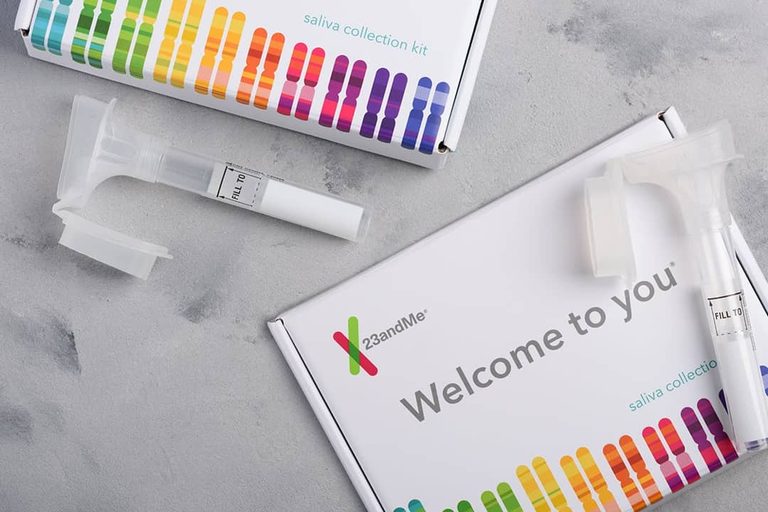
Consumer DNA testing has become a national phenomenon. As of March 2026, AncestryDNA alone was approaching 30 million kits, dwarfing all other genealogy services combined. 23andMe follows with just under 14 million kits, MyHeritage reports 9.6 million, and smaller databases such as FamilyTreeDNA and GEDmatch add millions more.
How often do surprises occur?
According to a January 2025 YouGov poll, one‑quarter of Americans who have taken a test—or have a close family member who did—discovered a close relative they did not know. One‑third said the results surprised them, even though most users were only seeking an ethnicity estimate.
What relatives are being found?
Research from the Baylor College of Medicine, published in the American Journal of Human Genetics, surveyed 23,196 participants recruited through FamilyTreeDNA. Eighty‑two percent reported learning the identity of at least one genetic relative they had not known. Among the 19,095 respondents who identified a new relative, 10 % discovered a biological grandparent, 10 % found a full or half‑sibling, and 7 % learned the identity of a biological father. Conversely, 3 % learned that a presumed parent was not biologically related.
Impact on families
Overall, 74 % of the 14,134 Baylor respondents described the consequences of their discovery as net positive or neutral, and regret scores were low (averaging 10 on a 100‑point scale). However, the emotional fallout can be significant when parentage is called into question. A 2022 study found that people who learned their parents were not biologically related described the experience as akin to a natural disaster—shock, crisis, and a sudden loss of footing.
Support gaps
Both the 2022 and a 2024 study in *Genetics in Medicine* noted that testing companies typically provide only brief lists of mental‑health resources, leaving consumers to locate genetic counselors or family‑therapy services on their own. Respondents who tested out of curiosity reported slightly higher regret than those who tested for a specific purpose, suggesting preparation matters.
Reaching out to newly found relatives
Finding a match does not guarantee a relationship. Among respondents who initiated contact, 92 % of newly identified siblings and 94 % of newly identified children responded, while response rates were lower for parents (61 % for fathers, 68 % for mothers). The process of building a relationship can be lengthy and emotionally complex, mirroring adoption‑reunion experiences documented by Scotland’s Adoption Contact Register and a 2024 Northern Ireland study.
Looking ahead
Database growth continues unabated. Independent tracker Leah Larkin estimates more than 54 million kits are available for genealogical matching, though many individuals appear in multiple databases. As the pool expands, the likelihood of uncovering unknown relatives will increase for anyone who purchases a test.
For families considering DNA testing, experts advise weighing the desire for knowledge against the potential emotional impact, and seeking professional counseling if unexpected results arise.
Original reporting: KEYT (Ventura/Santa Barbara) — read the source article.