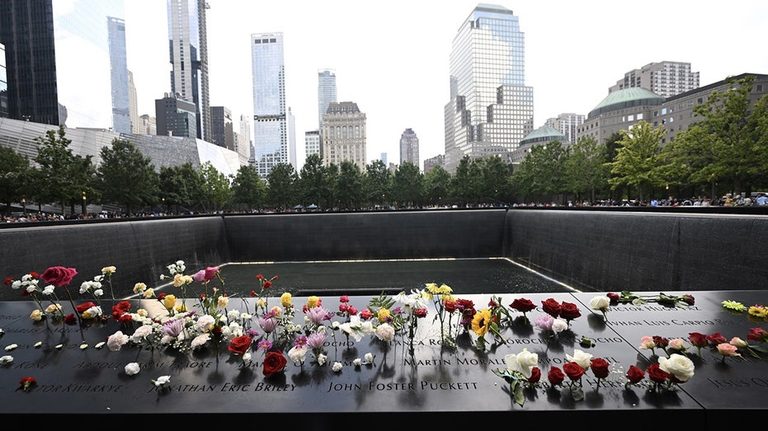
New York City investigators announced Sunday that a woman who perished in the September 11 attacks has been identified through a pioneering DNA and genealogy method. The victim’s name remains private at her family’s request, but the identification represents the first World Trade Center victim identified using forensic investigative genetic genealogy.
How the breakthrough was achieved
The effort combined the Office of the Chief Medical Examiner with the NYPD’s Investigative Genetic Genealogy Squad. Specialized DNA analysis was paired with genealogy research to generate leads, which were then confirmed through traditional forensic testing. Chief Medical Examiner Dr. Jason Graham said the technique, dubbed “FIGG,” adds a powerful tool to the city’s ongoing identification program.
Significance for families and the city
Mayor Zohran Mamdani issued a statement marking the approaching 25th anniversary of the attacks, noting that the city remains committed to families who have waited decades for answers. “As we approach the 25th anniversary of the horrific September 11 attacks, we honor the nearly 3,000 people whose lives were stolen that day,” Mamdani said. “We remain committed to the families who have spent 25 years waiting for answers.”
The newly identified woman is the 1,654th person identified from remains recovered after the attacks, which claimed 2,753 lives in New York City. About 1,099 victims—roughly 40% of those killed—still await identification.
Broader impact of forensic genealogy
Forensic investigative genetic genealogy has already proven effective in cold‑case investigations nationwide, allowing authorities to trace family connections from DNA evidence when traditional methods fall short. Officials in New York City plan to continue family outreach and repeat DNA testing to link additional remains to known victims.
The breakthrough follows the most recent identification of a World Trade Center victim announced in August 2025, underscoring the steady progress made possible by scientific innovation and persistent investigative work.
Looking ahead
City officials say the work is far from finished. Continued collaboration between medical examiners, law‑enforcement genetic squads, and families will be essential to bring closure to the remaining unidentified victims. The use of advanced DNA techniques not only honors the memory of those lost but also reaffirms the city’s dedication to truth, family, and the rule of law.
Original reporting: Fox News (HLL/CB) — read the source article.