In a lawsuit filed Tuesday, The Walt Disney Company alleges that the Federal Communications Commission (FCC) violated the company’s First Amendment rights. The complaint targets the agency under the Trump administration, asserting that recent FCC actions were retaliatory and aimed at suppressing protected speech.
Background of the Dispute
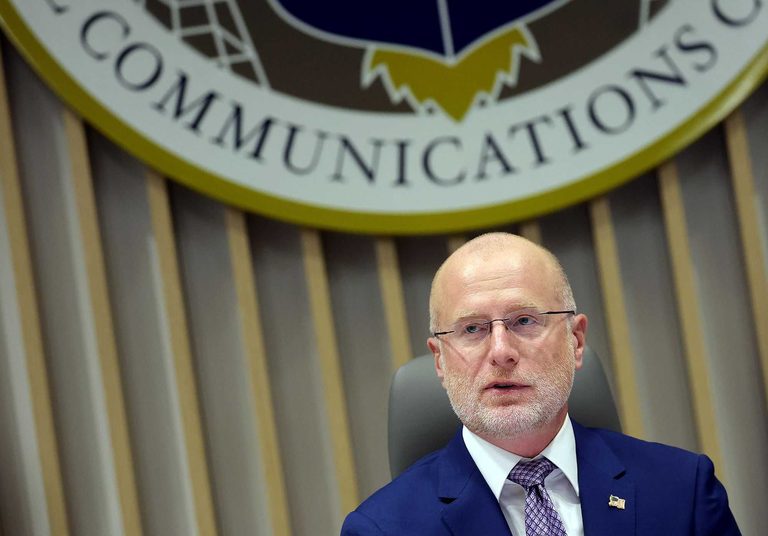
The controversy began when FCC Chairman Brendan Carr defended the agency’s decision to launch an early review of eight ABC local broadcast licenses in April. Carr argued that broadcasters have a duty to “operate in the public interest” and that the FCC was simply restoring that standard. He also warned that the nation needs a “trusted, respected news media” and claimed the country was not currently achieving that goal.
ABC, a Disney subsidiary, responded by accusing the FCC of a “brazen attempt to chill its constitutionally protected free speech — and by extension, that of every media outlet in the country.” The network filed formal opposition to the FCC’s early review, which is an unusual step taken well before the licenses are set to expire.
Connection to President Trump and Jimmy Kimmel
The timing of the FCC’s review coincided with a public feud between President Donald Trump and late‑night host Jimmy Kimmel. Trump repeatedly called for Kimmel to be fired after the host made a joke that the president found offensive. The FCC cited the company’s diversity, equity and inclusion practices as part of its rationale for the early review, but Disney argues the real motive was retaliation for the network’s criticism of the president.
Disney’s lawsuit claims that the FCC’s actions constitute a direct violation of the First Amendment, which guarantees freedom of speech and press. The company seeks an injunction to halt the license review and demands damages for the alleged constitutional breach.
Legal and Constitutional Implications
Legal experts note that the case raises significant questions about the balance of regulatory authority and constitutional protections. While the FCC has broad powers to oversee broadcast licensing, those powers must be exercised without infringing on protected speech. The lawsuit could set a precedent for how federal agencies handle disputes involving political speech and media criticism.
Both parties have been contacted for comment. The FCC and ABC have not yet responded to requests for statements regarding the lawsuit.
Potential Impact on Media Regulation
If Disney succeeds, the ruling could limit the FCC’s ability to conduct early license reviews based on content‑related concerns. It may also reinforce the principle that government agencies cannot use regulatory mechanisms as a tool for political retaliation.
The case adds to a growing list of legal challenges involving media organizations and federal regulators, highlighting ongoing tensions between government oversight and First Amendment rights.
Original reporting: KCCI Des Moines — read the source article.