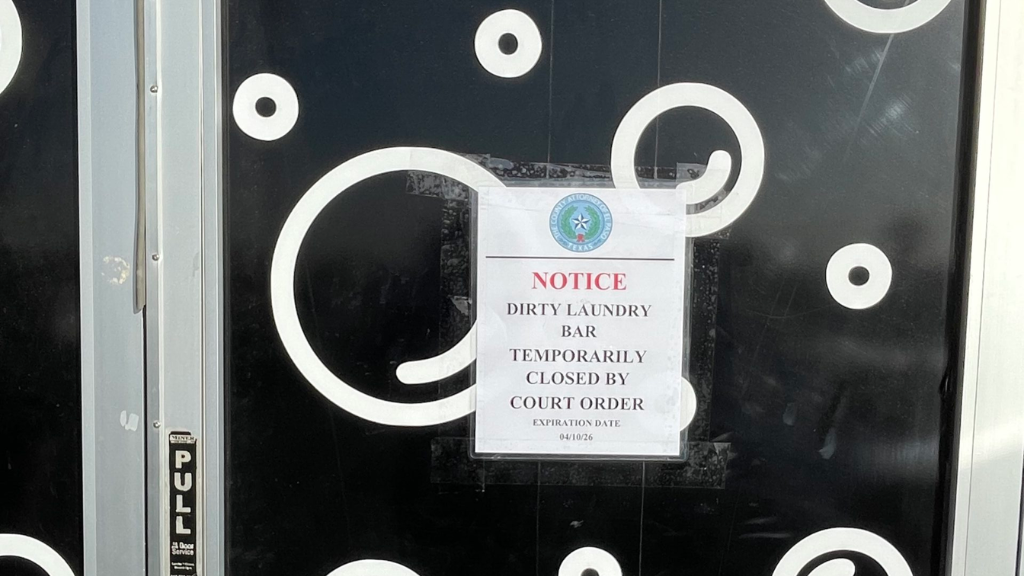
The Dirty Laundry Bar in East El Paso, Texas, has reopened after a judge issued and then lifted an order that had paused its operations until certain security and training measures were met, the El Paso County attorney’s office confirmed. The bar resumed service last weekend and is operating under the conditions set by the court; the county first intervened in March as it pursued compliance with public safety requirements.
Local officials say the court’s intervention was focused on ensuring the bar met clear safety benchmarks before it could welcome patrons again. Those benchmarks centered on beefed-up security measures and staff training aimed at preventing dangerous incidents. The county’s attorney’s office has stated the business is now following the terms outlined by the judge.
Business owners in entertainment districts often object to abrupt shutdowns, but judges can step in when public safety concerns stack up. In this case, the pause gave the bar time to put systems in place without exposing patrons to risks staff weren’t prepared to handle. The legal pressure forced a practical response: address vulnerabilities or halt operations until they were fixed.
For the Dirty Laundry Bar, the fix meant institutional changes rather than a simple tweak. Staff training programs, clearer incident-reporting procedures, and a reassessment of on-site security are the kinds of steps county regulators typically require. County attorneys will likely keep tabs to confirm those measures are durable and consistently applied on busy weekend nights.
The community response to the reopening has been mixed, with neighbors relieved that oversight held the bar accountable and regulars glad to have a favorite spot back. Public safety advocates will be watching to see whether the new rules actually curb problems rather than just checking a legal box. If the requirements are enforced well, the result should be a safer nightlife scene for everyone in that part of town.
From a legal standpoint, the judge’s order shows the power courts have to condition a business’s right to operate on demonstrated compliance. That tool gives county officials leverage to push establishments toward practices that protect patrons. For business owners, the message is clear: operating without adequate safeguards invites intervention that can be costly and disruptive.
El Paso County’s involvement underlines a larger theme about local governments balancing commerce and community safety. Bars contribute to the local economy, employ residents, and provide social outlets, but they also carry unique responsibilities, especially where crowd management and alcohol service intersect. Officials must weigh those economic benefits against any pattern of safety lapses or repeated complaints.
Moving forward, the county’s attorney’s office indicated it will continue to monitor compliance and won’t hesitate to return to court if problems recur. The bar’s management, for its part, has said it will adhere to the court’s terms and maintain the new procedures it implemented. That tacit agreement between regulators and operators is what keeps neighborhoods safer while preserving lively local businesses.
Patrons heading back to the Dirty Laundry Bar should find a venue that looks and feels familiar but operates with added safeguards behind the scenes. Security presence may be more visible, staff may follow tighter protocols, and reporting systems are likely more formalized. Those changes are intended to reduce the odds of trouble and make evenings out less risky for everyone.
For residents and local policymakers in El Paso, the episode is a reminder that community standards matter and that courts can enforce them when necessary. The reopening under court supervision doesn’t erase past incidents, but it does offer a framework for a safer future if everyone involved keeps up their end of the bargain. El Paso County officials will be the ones to judge whether this reopening becomes a lasting, positive shift.