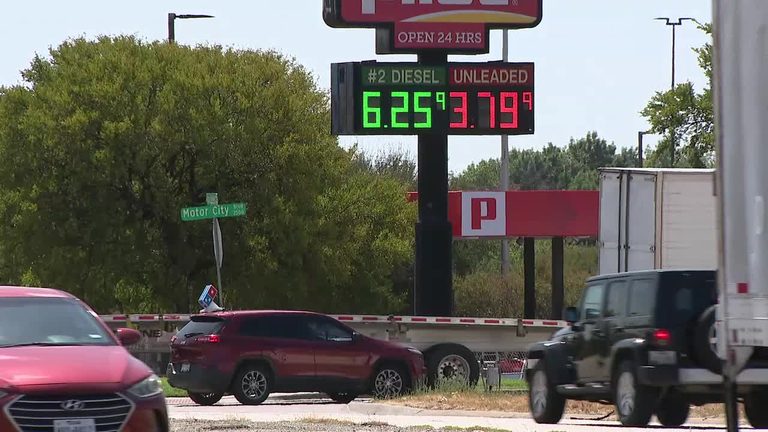
Diesel fuel prices in North Texas have reached a historic peak, with pumps along Interstate 20 reporting rates between $6.23 and $6.27 per gallon. The jump, roughly $0.25 from a week earlier, is the highest level ever recorded in the area and is already being felt by drivers and businesses that rely on 18‑wheelers.
Local Impact on Truckers and Small Firms
Truck drivers at the I‑20 stop told FOX 4 they are struggling to afford the new rates and are hoping to reach the next fueling location before their tanks run dry. One driver said, “I can’t afford to fill up like I used to; it’s a real worry for the next leg of the trip.”
For local entrepreneurs, the price spike is eroding profit margins. BJ Johnson, owner of J Imperium Ready Mix, explained that diesel now accounts for a larger share of his operating costs. “We went from paying a little over $3 a gallon in December to $5.70 a gallon last week,” Johnson said. “It makes it tough to price our concrete competitively because we need diesel for both the mixers and the delivery trucks.”
Economic Ripple Effects
SMU economist Mike Davis warned that the surge in diesel costs could feed broader inflation. Higher fuel expenses raise the price of goods transported by truck, which in turn can push retail prices higher. “When diesel goes up, businesses face higher costs, and those costs often end up on the consumer at the checkout,” Davis said.
Davis added that the root cause lies in global crude‑oil markets. “The only real solution is to get crude oil prices back down. If the war in the Middle East ends and supply flows normalize, diesel prices should follow,” he explained. He also noted that the Federal Reserve may consider raising interest rates this week if inflationary pressures from fuel costs persist.
What Residents Can Expect
Consumers in the Dallas‑Fort Worth metroplex should anticipate higher prices at the pump for both diesel and gasoline in the coming weeks. The price increase may also affect the cost of everyday items that rely on trucking for delivery, from building materials to groceries.
Local officials have not yet announced any specific measures to mitigate the impact, but the situation underscores the importance of monitoring fuel costs as a key indicator of economic health in North Texas.
Looking Ahead
While the current surge appears tied to global oil market volatility, analysts suggest that any resolution of geopolitical tensions could help bring diesel prices back toward more typical levels. In the meantime, truckers, small business owners and everyday consumers will need to adjust budgets and pricing strategies to cope with the higher cost of fuel.
Original reporting: Dallas – Ft. Worth Feed (HLL/CB) — read the source article.