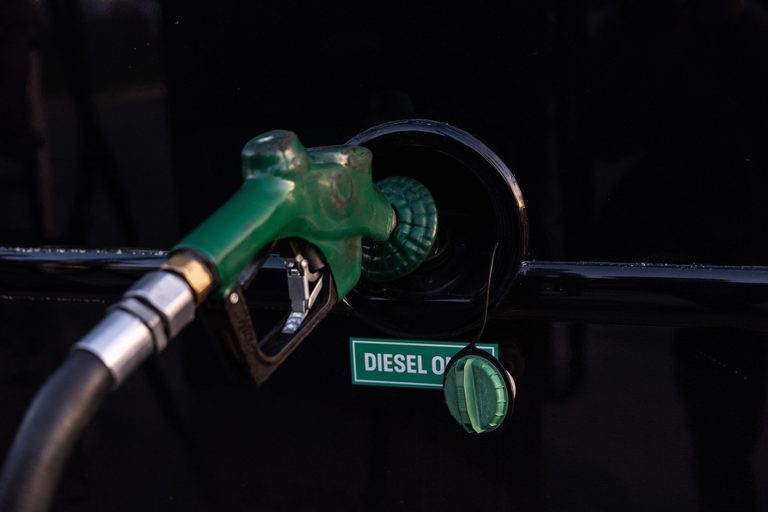
For the first time ever, the national average price of diesel climbed to $5.85 per gallon on Friday, according to the American Automobile Association (AAA). The surge follows six months of armed conflict between the United States and Iran, which has disrupted the flow of crude oil and refined products worldwide.
Why Diesel Prices Matter to Everyday Americans
Diesel powers the trucks, trains, ships and farm equipment that move food, clothing, furniture and countless other items across the country. When diesel costs rise, transportation companies often pass those expenses on to businesses, which in turn may add fees to online orders or increase prices on store shelves. Consumers can expect to see higher costs for perishable goods such as produce, meat and seafood, as well as for non‑perishables that rely on diesel‑driven logistics.
Comparison with Gasoline and Historical Context
Regular gasoline also rose, averaging $4.15 per gallon, up from $3.20 at this time last year. Before the war began in late February, diesel averaged about $3.76 per gallon. The price jump mirrors earlier energy crises, such as the 2022 spike that pushed diesel to nearly $5.82 per gallon during the Ukraine war, and the pre‑2008 peak of $4.74 per gallon (about $7.20 in 2026 dollars when adjusted for inflation).
Impact on Food Prices
Fuel accounts for roughly 15% to 30% of total food costs, according to the Independent Grocers Alliance. Higher diesel prices therefore translate into higher grocery bills. Michigan State University food‑economics professor David Ortega noted that in July, overall grocery prices were up 2.7% year‑over‑year, with seafood up 7% and fresh fruit up 4.9%—trends linked to increased transportation costs.
Ortega cautioned that while some cost increases are absorbed through existing freight contracts, ongoing fuel surcharges will eventually be reflected in retail prices.
Business Responses
E‑commerce giant Amazon introduced a temporary 3.5% fuel and logistics surcharge for certain third‑party sellers in April. Major parcel carriers—including UPS, FedEx and the United States Postal Service—have also added fees to offset rising fuel expenses.
Trucking‑technology CEO Ajesh Kapoor acknowledged that while the industry can adapt to higher diesel costs, there is a limit to how much price pressure can be absorbed without affecting profitability.
Broader Economic Concerns
Beyond consumer goods, diesel fuels public‑transit buses, trains and backup generators in remote areas. Energy analyst Neil Atkinson warned that dwindling physical stocks of refined products could turn the current price spike into a prolonged crisis.
As the conflict in the Middle East continues, experts say the United States must remain vigilant about energy security and supply‑chain resilience to protect American families and businesses from further price shocks.
Original reporting: Alexandria, VA News – WTOP News — read the source article.