Birmingham’s Design Review Committee met Wednesday morning and voted to approve the demolition of six vacant buildings—three in Midtown and three in the historic Highland Park neighborhood. The decisions reflect the committee’s focus on public safety, neighborhood character, and responsible redevelopment.
Midtown demolition request
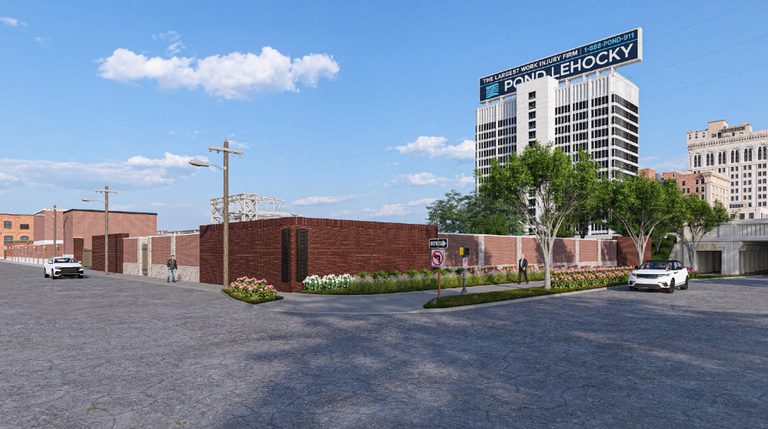
The committee cleared Alabama Power’s request to tear down the vacant structure at 1930 Powell Avenue, which sits next to the utility’s electrical substation. The utility cited ongoing trespassing and vagrancy problems, and proposed constructing a brick‑filled concrete wall around the lot to deter future incursions. While committee members praised the intent to protect the area, they expressed disappointment with the wall’s design, calling it “unsightly” and lacking visual relief.
Committee member Cheryl Morgan, who voted against demolition, argued that “relief makes a wall work” and urged the applicant to consider a more attractive solution that respects the gateway at 20th Street.
Highland Park demolition requests
Three additional structures—1054 24th St. S., 2130 Highland Ave. and 2312 Highland Ave.—were also approved for demolition. The committee did not grant immediate approval for new apartments or site preparation, leaving those plans for future review.
In a separate case, the committee approved FiveStone Group LLC’s request, on behalf of property owners Sterling Capital IV LLC and Southside Investors II LLC, to demolish three historic‑status apartment buildings in the southwestern edge of the Hanover Place Historic District. The Baycourt, Phares, and Caldwell Parc apartments, built in the late 1920s, have been vacant since September of last year due to severe structural deterioration.
FiveStone’s associate David Silverstein Jr. explained that a licensed structural engineer determined the buildings were beyond reasonable repair, citing overstressed wood framing, rotting joists, and foundation settlement. The engineer, J. Stuart Lee of Structural Design Group, refused to enter the structures because of the danger they pose.
Safety and community concerns
Committee members emphasized the need to protect residents from unsafe, abandoned buildings that can become shelters for homeless individuals and fire hazards. Silverstein noted that recent fires on historic Cobb Lane displaced twenty residents, underscoring the urgency of removing dangerous structures.
While the committee recognized the loss of historic fabric, members weighed that regret against the risk of trespass, vandalism, and potential injury. Morgan summed up the dilemma: “We don’t want to devalue the neighborhood’s integrity, but we also can’t ignore safety.”
Future development plans
The approved conceptual plan from KPS Group envisions a new mixed‑use development on the 1.128‑acre site, featuring two commercial apartment buildings with ninety units, rising 32 feet from the alley. The design aims to “somewhat replicate the character and architectural integrity of the neighborhood,” according to Silverstein.
Although the committee’s approval does not constitute an endorsement of demolition, it signals that the city is moving forward with a balanced approach—preserving historic character where feasible while addressing pressing safety concerns.
Community response
The Highland Park Neighborhood Association previously circulated a petition opposing demolition. In a recent newsletter, the association’s Local Historic Advisory Committee neither denied nor approved the demolition, indicating ongoing dialogue with developers.
Overall, the Design Review Committee’s actions demonstrate a commitment to safeguarding Birmingham’s neighborhoods, protecting residents, and encouraging thoughtful redevelopment that respects the city’s heritage.
Original reporting: BirminghamWatch — read the source article.