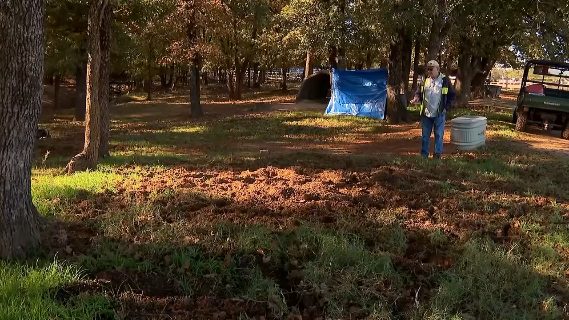
Powell Farm, a family‑run llama operation located just beyond the city limits of Denton, Texas, is confronting a growing nightmare: feral hogs that invade the property after dark. The invasive animals dig through pastures, leaving behind extensive damage by morning.
Owner describes the damage
“They’ve done a significant amount of digging right here in this entire area,” said C.T. Pat Powell, who runs the farm. “They can completely tear up a pasture in one night stand.” The nightly raids have become a recurring, costly problem for the farm.
Why simple shooting won’t work
Powell explained that shooting the hogs is not a viable solution. “You shoot one, and you’re just going to scare them, and they’re going to run off to the neighbor’s property. Plus, you got a real problem in shooting when you’re in the city,” he said.
Trapping is expensive and time‑consuming
Trapping an entire group of hogs can be more effective, but the approach brings its own challenges. “That’s not something that you can do in one easy maneuver. And it’s going to have to be done for a long time, especially with the number of them there are,” Powell noted. The cost of “fancy traps” is beyond what the farm can afford.
Scale of the statewide problem
Texas A&M University estimates that more than three million feral hogs roam the state, having been documented in 250 of Texas’ 254 counties. The invasive species cause hundreds of millions of dollars in damage and control costs each year.
No single solution
Experts recommend a multi‑method approach and long‑term management to keep hog populations down. For property owners like Powell, however, the ongoing battle carries a hefty price tag, leaving them to watch and wait for the next round of nighttime visitors.
Original reporting: Richardson, TX News (HLL/CB) — read the source article.