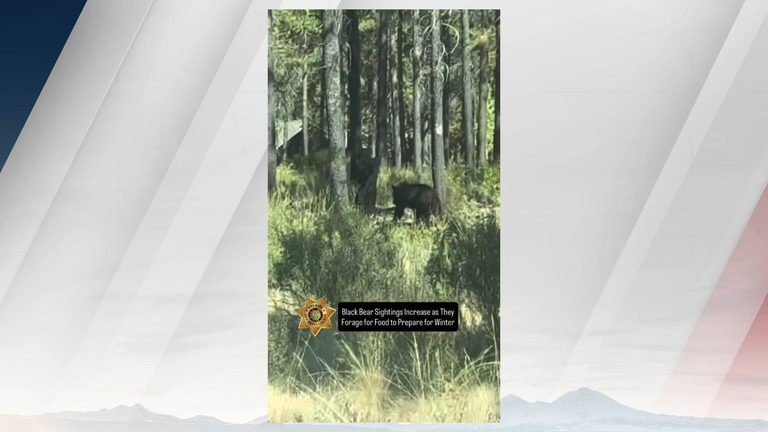
Deschutes County, Ore. – The Deschutes County Sheriff’s Office Animal Control Unit released video on Friday showing a black bear feeding on an elk carcass near South Century Drive and Vandevert Road in the county’s southern region. The footage follows several reports of bear activity received throughout August.
Why bears are more visible now
Sheriff’s Office officials explained that increased bear movement is typical in late summer. Bears are foraging intensively to build up fat reserves before the winter months, which often brings them into areas where humans store food or dispose of waste.
Safety guidelines for residents
In response to the sightings, the sheriff’s office issued clear safety recommendations for local families:
- Never approach or attempt to feed a bear.
- Secure garbage cans, pet food, and any items with strong food odors.
- Keep outdoor grills, compost bins, and bird feeders away from the house.
Food‑conditioned bears can become bold enough to break into vehicles, garages, and homes. Officials warned that feeding bears also endangers pets, especially small dogs, which may be attacked during unexpected encounters.
What to do if you encounter a bear
Black bears are generally shy and non‑aggressive, but residents should still take precautions. If a bear appears:
- Stay calm and give the animal space to retreat.
- Do not run; back away slowly while keeping an eye on the bear.
- Report the sighting to the Deschutes County Sheriff’s Office Animal Control at 541‑555‑1234.
Authorities emphasized that the best protection is prevention—by removing attractants and respecting wildlife boundaries.
Additional resources
The Oregon Department of Fish and Wildlife provides further guidance on coexisting with black bears, including printable brochures and a hotline for wildlife concerns. Residents are encouraged to review these materials to better understand bear behavior and how to keep families safe.
By following these simple steps, the community can enjoy the natural beauty of Deschutes County while minimizing conflicts with its resident wildlife.
Original reporting: KTVZ (Central Oregon) — read the source article.