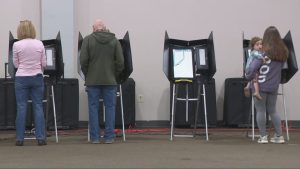
Denver voters will head to the polls on November 3 to consider Referred Question 2K, a measure that would approve a new franchise agreement between the city and Xcel Energy. The agreement, which governs the utility’s use of public right‑of‑way such as medians and sidewalks, is set to replace the current contract that expires later this year.
What the Agreement Means for Denver
Under the proposed deal, Xcel Energy would continue to cover certain utility‑related costs for the city and would provide a package of community benefits. City staff say the agreement secures a greater degree of local investment in affordability than any other offer in the region. Deputy Executive Director of the city’s climate office Jonathan Rogers called it “the strongest energy partnership agreement in the history of Colorado.”
Support from City Leaders
Councilmember Amanda Sandoval praised the renegotiated terms, noting that the council’s decision last year to pause negotiations led to a better outcome. “That decision wasn’t about saying ‘no.’ It was about saying we can do better. And I believe we did,” she said.
Former councilmember Sarah Parady highlighted the addition of $5 million for energy assistance over the life of the agreement, describing the amount as modest but worthwhile. Councilmember Shontel Lewis acknowledged the improvements but urged Xcel to commit more resources to affordability programs.
Financial Backing and Campaign Spending
Xcel Energy has invested roughly $4.3 million in the “yes” campaign, a cost it plans to recoup through the franchise fee that appears on customer bills each month. No organized opposition spending has been reported.
Potential Risks of a Rejection
City officials warned that a “no” vote could lead to lost funding and delayed projects. If the measure fails, the city and Xcel could temporarily extend the current agreement while negotiations continue, but there is no guarantee of a better deal. The city of Boulder, for example, went a decade without a franchise agreement while attempting to launch a municipal utility.
Why This Matters to Residents
The franchise agreement directly impacts the reliability of power and gas services, the cost structure of utility bills, and the availability of local assistance programs for low‑income households. By securing a stable partnership, Denver aims to protect families from sudden rate spikes and ensure continued investment in infrastructure.
What Voters Should Know
First results are expected to be reported at 7 p.m. on election night. Voters can find the full voter guide entry on the city’s website for detailed information about the agreement’s terms and the anticipated community benefits.
Original reporting: Denverite — read the source article.