In the aftermath of Gov. Greg Abbott’s $1 billion private school voucher program, Texas voters elected a slate of Democratic lawmakers whose careers began in public schools. The victories give the party a realistic chance to control the Texas House and shape education policy for the first time in decades.
Educators win key districts
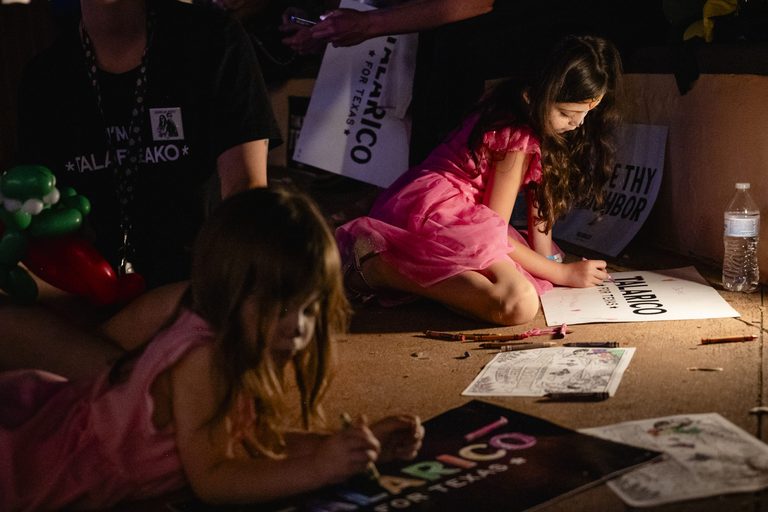
Former Austin ISD school‑board president Gina Hinojosa captured the Democratic gubernatorial nomination and pledged to remove Texas Education Agency commissioner Mike Morath, an Abbott appointee who has overseen aggressive takeovers of underperforming districts. In the state Senate race, former Rhodes Middle School teacher James Talarico (D‑Round Rock) also secured the nomination, citing the 2011 education‑funding cuts that sparked his political involvement.
Beyond the top‑of‑ticket races, dozens of teachers and school‑board members ran for office. Notably, Adrian Reyna, a SAISD union leader, won Texas House District 125 with 67.5 % of the vote, becoming one of the few active public‑school educators in the Legislature.
Implications for the voucher program
Texas Majority PAC executive director Katherine Fischer told reporters that vouchers will dominate the next legislative session. “They finally passed, and now we have a Democratic statehouse and a Democratic governor and lieutenant governor, so I think that will probably be a high priority,” she said.
Republican leaders have also been pushing school‑property‑tax exemptions to help seniors stay in their homes and have floated the idea of eliminating school property taxes altogether. Yet many local districts saw voters reject bond measures and tax‑increase proposals, underscoring the tension between state‑level funding initiatives and local financing needs.
Local reactions and hopes
Melina Espiritu‑Azocar, president of the Northside AFT (the teacher union for Northside ISD), expressed cautious optimism. “While we were disappointed that our local NISD propositions did not pass, with the election of Gov. Hinojosa and a new state Legislature, we have renewed hope,” she said.
Northside ISD, the fourth‑largest district in Texas with about 96,000 students, saw four tax measures on the ballot fail, measures that would have funded staff raises and infrastructure projects.
Legislative leadership poised to act
State Rep. Diego Bernal (D‑San Antonio), a senior member of the Bexar County delegation and a key writer of education policy, sits on the powerful Texas House Public Education Committee. He expects to be a guiding hand under a Democratic‑led House, stating, “I have no doubt that the House will focus on school finance, accountability, STAAR, and will revisit vouchers.”
Republican House Speaker Dustin Burrows, speaking before the election, highlighted the $7.7 billion invested in public schools alongside the voucher program, calling the prior session “historic investments in our public education system.” However, many school officials argue that the accompanying state mandates have deepened fiscal challenges.
Other notable wins
Kristian Carranza flipped House District 118 with 61.7 % of the vote, while Zack Dunn captured the historically Republican District 121 with 54 % of the vote, unseating incumbent Marc LaHood, a vocal supporter of the voucher plan. Dunn condemned the program as “a billion dollars taken away from our public education system and given to private institutions.”
Michelle Williams, an educator and union leader from Houston ISD, also won in District 127, joining fellow Texas State Teachers Association members Reyna and Talarico in the Legislature.
Looking ahead
With a Democratic majority in the House and a governor who campaigned on education reform, the next session promises vigorous debate over school finance, standardized testing, and the future of the voucher program. Stakeholders from teachers’ unions to conservative policy groups will be watching closely as the new delegation charts its agenda.
Original reporting: San Antonio Report — read the source article.