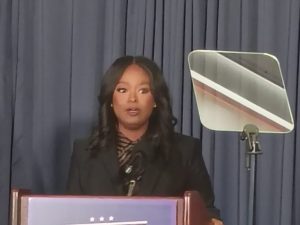
In a national sweep that reshaped the balance of power in Washington, Democrats emerged from the November 2026 midterm elections with clear majorities in the U.S. House of Representatives and the Senate. The results were highlighted on CNN by chief data analyst Harry Enten, who broke down the numbers for viewers across the country.
Scale of the House Victory
Enten noted that every one of the 50 states shifted toward the Democratic Party compared with the 2024 presidential baseline, producing an average statewide swing of roughly 14 points. The aggregate popular‑vote margin for House races stands at an estimated 12 points in favor of Democrats. If the remaining ballots follow the current trend, this could represent the largest popular‑vote advantage for either major party in a House election since 1976.
Electoral‑College Weighting of the Results
When the House outcomes are weighted by each state’s Electoral College allocation, Democratic candidates lead in states representing 399 electoral votes, while Republicans lead in states totaling 139 electoral votes. This weighting underscores the breadth of Democratic support across the nation.
Implications for the 2028 Presidential Race
Political prediction markets responded quickly to the midterm outcomes. The calculated probability of a Democratic presidential victory rose from 60% on the Monday before the election to roughly 66% after the results were tallied, according to Enten’s analysis. While the 2028 contest is still two years away, the shift suggests a favorable environment for Democratic candidates.
Leadership Changes in Congress
The new congressional map positions Representative Hakeem Jeffries to become the first African American Speaker of the House, with Representative Katherine Clark slated to serve as the incoming House Majority Leader. Network projections also indicate that Democrats will secure at least 54 seats in the Senate.
Policy Priorities from Incoming Leaders
In an interview following the data presentation, Representative Clark emphasized that the Democratic caucus will focus on “affordability” measures, stating, “We campaigned as affordability Democrats. That was the message of every single candidate across this country. And that is exactly how we’re going to govern.” The early legislative agenda is expected to center on economic initiatives aimed at reducing the cost of living for American families.
What This Means for Voters
For citizens across the United States, the midterm outcomes signal a shift toward Democratic policy direction in the coming years. Voters can anticipate legislative proposals that target price stability, infrastructure investment, and other economic concerns highlighted during the campaign season.
As the new Congress convenes, both parties will be closely watching how these numbers translate into concrete action on the Hill. The next two years will set the stage for the 2028 presidential election, making the current political landscape especially consequential for voters, candidates, and policymakers alike.
Original reporting: Tampa Free Press — read the source article.