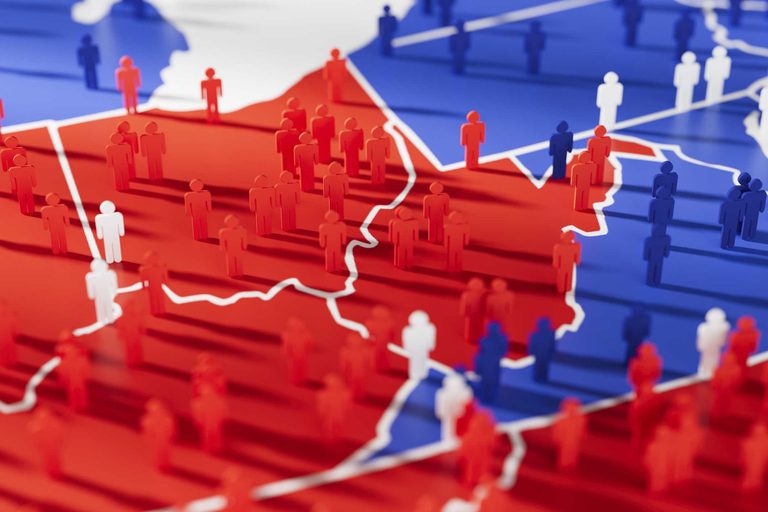
The recent midterm elections have shifted party control in several key statehouses, giving Democrats a stronger foothold in the push to adopt the National Popular Vote Interstate Compact. The compact, which would award Electoral College votes to the candidate who wins the nationwide popular vote once enough states join, currently includes 18 Democratic‑run states accounting for 222 electoral votes.
New Democratic Wins Add 71 Electoral Votes
In Tuesday’s elections, Democrats secured full control of the legislatures and governorships in Arizona, Michigan, Minnesota, Nevada, Pennsylvania and Wisconsin. Together, these six states contribute 71 Electoral College votes to the compact’s tally. Minnesota, already a member of the compact from its 2023 Democratic control, re‑joined the effort under the new legislature.
Governor Reactions Vary Across the New States
Wisconsin’s newly elected Democratic Governor David Crowley said he is open to discussions about ending the Electoral College, noting his party now controls both the executive and legislative branches for the first time in 16 years. Pennsylvania Governor Josh Shapiro, a potential 2028 Democratic presidential contender, expressed support for the popular‑vote idea and pledged to work with the state legislature on a path forward.
Michigan’s Democratic Governor Jocelyn Benson has not commented, while Arizona Governor Katie Hobbs declined to state a position, focusing instead on cost‑of‑living concerns. Nevada’s experience is more cautious; former Democratic Governor Steve Sisolak vetoed a similar measure in 2019, arguing it would diminish the influence of smaller‑population states.
Legal and Constitutional Questions Loom
Conservative groups, including the America First Policy Institute, warn that the compact could violate the Constitution by disenfranchising voters in member states and undermining the Founders’ intent. Legal scholars point to potential conflicts with the 14th Amendment’s equal‑protection clause and the Supreme Court’s precedent that states may require electors to vote for the candidate they are pledged to.
Law professor Derek Muller of Notre Dame cautioned that the compact may face challenges because states cannot set election rules that affect the outcomes of other states without congressional approval. He also noted that differing ballot designs and third‑party candidates could dilute votes across state lines.
Bipartisan Perspectives on the Compact
Not all commentary is partisan. Republican strategist Patrick Rosenstiel, a senior consultant to the popular‑vote movement, argued that the current system leaves many voters feeling irrelevant, especially in states that reliably vote for one party. He suggested that a national popular vote would compel campaigns to engage every voter nationwide.
Republican leader Tyler August of the Wisconsin Assembly warned that the compact would “undermine the balance” intended by the Constitution and could disenfranchise Wisconsin voters by allowing other states’ results to override the state’s choice.
Next Steps for the Compact
For the compact to take effect, states representing at least 270 Electoral College votes must join. With the recent additions, the total stands at 293 votes, but not all newly Democratic‑run states have formally committed. If Pennsylvania and Wisconsin join, the compact would need Michigan and either Arizona or Nevada to reach the threshold.
The upcoming legislative sessions in these states will determine whether the compact gains the necessary momentum. Legal challenges are expected, and the issue could reach the Supreme Court, which currently has a conservative majority.
Implications for Future Elections
Should the compact become operational, presidential campaigns would shift focus from a handful of swing states to a nationwide voter outreach strategy. This could reshape campaign financing, advertising, and candidate travel plans, potentially increasing voter engagement across the country.
Original reporting: WPBF (Treasure Coast / Hearst) — read the source article.