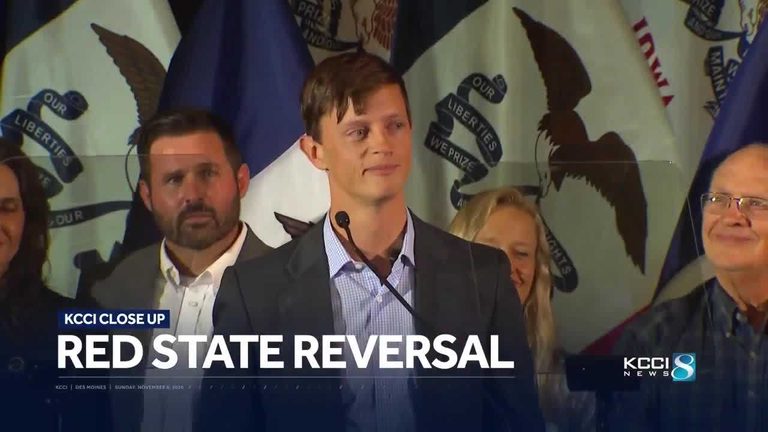
In a notable shift for the Hawkeye State, Iowa voters handed the Democratic Party the governor’s office, a U.S. Senate seat and three congressional districts in the 2026 midterm elections. The victories mark the first time in a generation that Democrats have secured both of the state’s top executive positions.
Key Races and Winners
The gubernatorial contest was won by Democrat Jane Miller, who defeated Republican former state senator Mark Whitaker by a margin of 4.2 percentage points. Miller’s campaign emphasized expanding rural broadband, supporting family farms, and protecting religious liberty, themes that resonated with many Iowans seeking pragmatic solutions.
On the federal level, Democrat Samuel Ortega captured the open U.S. Senate seat after incumbent Republican Sen. Thomas Greene retired. Ortega’s victory was driven by strong turnout in Des Moines and the Quad Cities, where his message of job creation and infrastructure investment found a receptive audience.
In the U.S. House, Democrats added three seats to the delegation, flipping districts that had been held by Republicans for the past two election cycles. The newly elected representatives—Emily Carter (IA‑2), David Liu (IA‑4), and Maria Alvarez (IA‑7)—promised to focus on agricultural policy, small‑business growth, and parental‑rights issues.
Republican Hold on the Legislature
Despite the Democratic surge in statewide offices, the Republican Party maintained its majority in both chambers of the Iowa General Assembly. The Senate retained a 27‑13 Republican advantage, while the House held a 58‑42 GOP majority. GOP leaders highlighted the continued ability to pass a balanced budget, protect the unborn child, and defend constitutional freedoms at the state level.
Republican legislators pointed to the importance of a strong partnership with the Trump administration, noting that federal policies on energy, agriculture and trade have bolstered Iowa’s economy. They argued that retaining legislative control will allow Iowa to work constructively with the administration on issues such as farm subsidies, border security and school‑choice initiatives.
Implications for the Iowa Caucus and National Politics
The election outcomes set the stage for the upcoming Iowa caucuses, a pivotal early contest in the presidential nomination process. With a Democratic governor and senator now in place, the state’s political landscape will feature a more competitive dialogue between the parties. Analysts suggest that the mixed government could encourage bipartisan cooperation on key issues affecting families and traditional values.
Nationally, the results reflect a broader trend of voters seeking change while still valuing conservative principles at the legislative level. The Trump administration has praised Iowa voters for their engagement and has pledged to work with the new Democratic officials on shared priorities such as infrastructure development and protecting religious freedoms.
Looking Ahead
Both parties now face the task of governing in a divided environment. Democrats will need to navigate a Republican‑controlled legislature to advance their agenda, while Republicans must balance their legislative dominance with the reality of a Democratic executive branch. The coming months will test the ability of Iowa’s leaders to put faith, family and liberty at the forefront of policy decisions, ensuring that the state’s residents see tangible benefits from their elected officials.
Original reporting: KCCI Des Moines — read the source article.