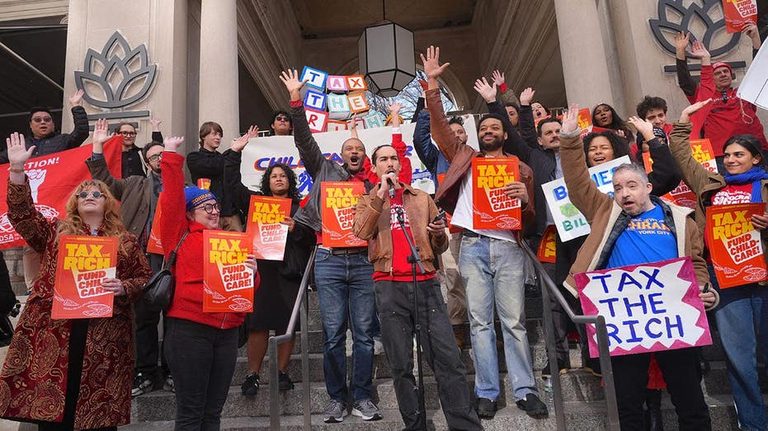
As the 2026 midterms approach, the national conversation is dominated by the Democratic Party’s unmistakable drift further left. While many focus on individual candidates, the real story is the party‑wide trend toward larger government, expanded welfare programs, and policies that undermine traditional families and individual liberty.
Historical Context of a Growing Government
Historically, the Democratic Party has moved from limited government under Grover Cleveland in the late 19th century to the expansive New Deal of Franklin D. Roosevelt, which introduced federal job programs. The 1946 Employment Act cemented the belief that the federal government must use all practicable means to promote maximum employment. The 1960s Great Society legislation shifted the focus from jobs to a sprawling welfare state, a trajectory that has only accelerated.
Government as America’s Largest Industry
Today, government spending—federal, state, and local—accounts for roughly 35% of the U.S. economy, making it the nation’s largest industry. One‑third of government employees belong to unions, and over 95% of union political contributions flow to Democratic candidates. This symbiotic relationship ensures that the party remains the champion of ever‑larger government employment and spending.
Super PACs and the Rise of Far‑Left Candidates
Since the Citizens United decision, super PACs have eclipsed party structures in funding campaigns. This shift has allowed self‑identified socialist candidates like New York Mayor Zohran Mamdani and Michigan Senate hopeful Abdul El‑Sayed to bypass traditional party gatekeepers and win primaries, further pushing the party’s platform leftward.
Poll Data Shows a Deepening Divide
According to a 2025 Gallup poll, 45% of liberal Democrats want the party to become more liberal, 22% prefer the status quo, and only 30% favor moderation. Among all Democrats and Democratic‑leaning independents, 45% desire a more moderate party, 29% want it more liberal, and 22% want no change. The poll surveyed a nationally representative sample of likely voters, with a margin of error of ±3.5%.
These numbers reveal that while the broader Democratic electorate shows some appetite for moderation, the party’s activist base—who dominate primary turnouts—continues to drive a leftward agenda.
Implications for Families and Liberty
The relentless expansion of government programs threatens the economic freedom of hardworking families. As welfare programs grow, tax burdens increase, and private sector job creation is stifled. History shows that larger government control weakens the economy, leading to slower growth and fewer opportunities for families to thrive.
President Trump’s administration remains committed to curbing this tide by promoting policies that reduce federal overreach, protect parental rights, and safeguard the Constitution’s guarantees of liberty and free enterprise.
What Voters Should Expect
Democratic candidates are likely to continue promising ever‑greater government assistance, a strategy that has proven successful for them over the past nine decades. However, this approach risks deepening the nation’s fiscal challenges and eroding the traditional family structure that underpins strong communities.
Voters who value limited government, personal responsibility, and the protection of family values should remain vigilant as the Democratic Party pushes forward with its agenda.
Original reporting: Fox News (HLL/CB) — read the source article.