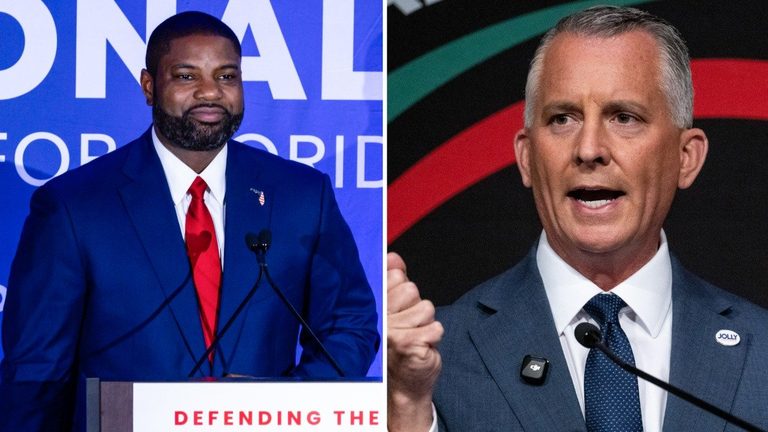
In a surprising development for the 2026 Florida governor’s race, Democratic nominee David Jolly announced Sunday that he will not participate in any debates with Republican nominee Byron Donalds. Jolly posted on his X account, “You can’t debate a liar,” and reiterated his decision with a follow‑up tweet that included a link to a video of Donalds questioning the claim.
Donald’s response and the debate count dispute
Donald’s campaign quickly responded, stating that he had agreed to three debates while Jolly had previously indicated willingness to attend up to twelve. “I said 3 debates,” Donalds wrote on X on September 21, 2026, underscoring the gap in expectations between the two campaigns.
Why Jolly declined
Jolly’s team did not provide a detailed policy rationale for the refusal, but the language of his posts suggests a strategic move to avoid a platform he believes would be unfairly hostile. Republican National Committee operative Jaime Florez accused Jolly of seeking an easy way out, saying, “He’s going to be ashamed of not being prepared to be the next governor of the state of Florida. So probably that’s the reason why he decided not to participate in the debates.”
Historical context and voter impact
Debate disputes are not new in Florida politics. In 2014, then‑Governor Rick Scott initially refused to debate Charlie Crist over rule disagreements, creating a memorable campaign moment. Political analyst Alex Penelas, who appears regularly on NBC6, noted that while debates have long been a tradition, they often have limited influence on election outcomes. “These debates at the end of the day, it’s been shown, have very little impact on the outcome of these elections,” Penelas said, adding that modern voters have abundant alternatives for learning about candidates, from social‑media feeds to traditional news coverage.
Campaigns shift to direct voter outreach
Both campaigns have indicated they will continue to take their messages directly to voters in the weeks leading up to Election Day. Penelas suggested that Jolly’s decision may be part of a broader strategy focused on grassroots voter turnout rather than a televised moment. “Voters want to send a message to the White House that they’re not happy with the way things are going in this country. And one way of sending that message is by electing a Democrat governor in the president’s home state,” he observed.
What’s next for Florida voters
With the debate stage now off the table, Florida’s electorate will rely on campaign ads, town‑hall meetings, and digital outreach to compare the candidates’ platforms on key issues such as education, public safety, and the state’s economy. The race remains tightly contested, and both parties are urging supporters to stay engaged as the election approaches.
Original reporting: NBC6 Miami — read the source article.