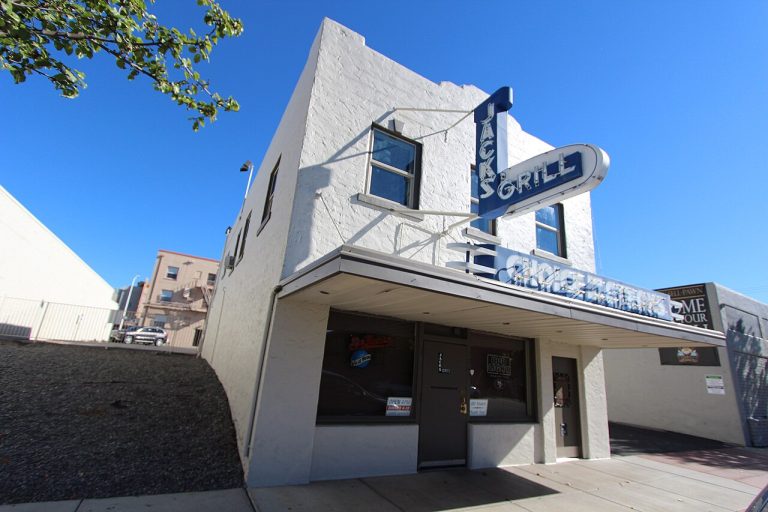
State Auditor Rob Sand, a 44‑year‑old bow‑hunter and father of two, has begun a statewide tour of town‑hall meetings aimed at Iowa’s 99 counties. His first stop was Independence, the Buchanan County seat along the Wapsipinicon River, where he addressed a crowd gathered in the town’s Sanity Room.
Local outreach over partisan rhetoric
Sand told the audience that the political system feels “broken” because it is run by “two private clubs” more interested in fighting each other than solving problems. He emphasized a desire to move beyond the traditional Democrat‑Republican dichotomy, asking attendees to raise their hands and applaud each group before urging everyone to sing “America the Beautiful” together.
He repeatedly asked, “Why do we have to only pick from the lesser of two evils?” and urged Iowans to treat politics as a shared endeavor rather than a battlefield. The tone of his message resonated with several attendees, including Republican John Fish, who said the patriotic sing‑along was “less corny than I imagined” and left him with a favorable impression of the candidate.
Campaign strategy and the state’s political landscape
Sand is the only Democrat holding statewide office in Iowa, where the GOP has controlled the governor’s mansion, the state Senate and the House since 2016. He faces GOP businessman and farmer Zach Lahn, who upset President Trump’s endorsed candidate, Rep. Randy Feenstra, in the June primary.
While Iowa has not elected a Democratic governor since 2006, Sand’s campaign is banking on a pragmatic, post‑partisan appeal to independents and moderate Republicans. He has pledged to hold 100 town‑hall meetings, ensuring a personal connection with voters in every county.
Policy backdrop and voter concerns
Iowa’s electorate has shifted rightward over the past decade, adopting private‑school vouchers, tightening abortion limits to roughly six weeks, and cutting income taxes—measures that contributed to a $1 billion budget shortfall. The state also faces a water‑quality crisis, a cancer surge, and rising costs in education and healthcare.
Sand acknowledges these challenges, describing them as “water‑quality, cancer, education, income, corruption, and high‑cost crises.” He says he wants to address them without inflaming anger toward politics or the president, noting, “I am running to be the governor of Iowa. Why would I talk about the president, no matter who the president is?”
Community response
Local voters expressed appreciation for Sand’s civility. Democratic voter Eloise Dillavou said, “His approach is quite refreshing. What we need right now is to bring people together, instead of trying to hate.” Teacher Paul Skrade, who carried a Sand yard sign after a stop, admitted he wishes Sand were more progressive but called him “our best opportunity.”
Critics within the Democratic Party argue that Sand’s distancing from the party platform could alienate the base. He openly admits he has not read the national Democratic platform and encourages activists to focus on practical solutions rather than partisan doctrine.
What’s next
Sand’s tour will continue through eastern Iowa this week, with additional stops planned in Allamakee County and beyond. As the November election approaches, his ability to attract independent and moderate Republican voters could prove decisive in a state where registered Republicans outnumber Democrats by more than 180,000.
Whether his post‑partisan, faith‑inspired outreach can overcome the entrenched GOP advantage remains to be seen, but his emphasis on community, family values, and constitutional patriotism offers a distinct alternative to the usual partisan sloganeering.
Original reporting: KRDO (Colorado Springs metro) — read the source article.