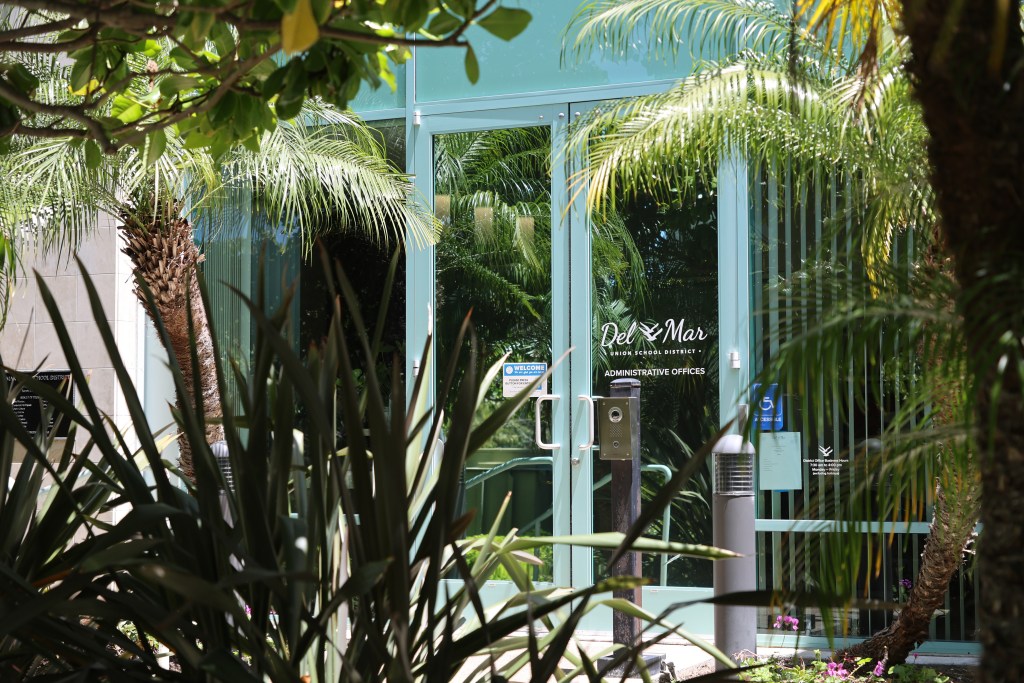
In a surprising turn of events, a family in North County found themselves under surveillance by a private investigator hired by the Del Mar Unified School District. The district suspected the family of residency fraud, which involves falsely claiming to live within district boundaries to enroll children in its schools.
The family noticed a car following them and recognized it as one they had seen outside their home. Upon realizing they were being watched, they contacted the police, who intervened and detained the investigator for carrying a firearm on school property. The school district was unaware that the agency allowed its employees to carry weapons.
Residency Verification Practices
Residency fraud is considered a crime in California, and some school districts have adopted measures to prevent it. Del Mar Unified, a district not reliant on student enrollment numbers for funding due to property tax-based financing, is one such district. This financial structure means they have less incentive to enroll students from outside their boundaries.
While the district did not confirm whether the family’s residency claims were false, they have since decided to handle residency verifications internally, rather than employing external investigators.
Broader Implications
Residency checks are not unique to Del Mar. Across the country, similar practices have sparked debates, often involving racial undertones. In some cases, families of minority backgrounds have been disproportionately targeted. The motivations behind these investigations can vary, but they often stem from financial and resource allocation concerns.
As the state of education remains unequal, many families seek better educational opportunities for their children, sometimes resorting to residency fraud. This situation highlights the ongoing challenges and ethical considerations surrounding school district policies and family rights.
Original reporting: Voice of San Diego — read the source article.